
Tom Christ, PT, DPT, OCS • August 20, 2026
6 Running Backs With the Least Injury Risk Factors
Discover six 2026 fantasy football running backs with the lowest injury risk based on age, workload, durability, and injury history.
2026 Fantasy Football: 6 Running Backs With the Least Injury Risk Factors
Which running backs carry the fewest injury-related risk factors entering the 2026 fantasy football season? This breakdown examines Bijan Robinson, Jahmyr Gibbs, Ashton Jeanty, Chase Brown, James Cook, and Bhayshul Tuten, focusing on how age, workload, durability, and previous injuries may affect their fantasy outlook.
Injuries cannot be predicted with certainty. A player with a spotless medical history can get injured on his first carry, while someone with multiple risk factors may play an entire season without missing a game.
The goal is not to identify players who cannot get hurt. It is to determine which running backs enter the season with fewer established risk factors, such as advanced age, excessive career workload, major orthopedic surgery, recurring injuries, or unresolved movement limitations.
Below are six prominent running backs whose age, durability, injury history, and accumulated workload give them some of the most favorable injury profiles entering 2026.
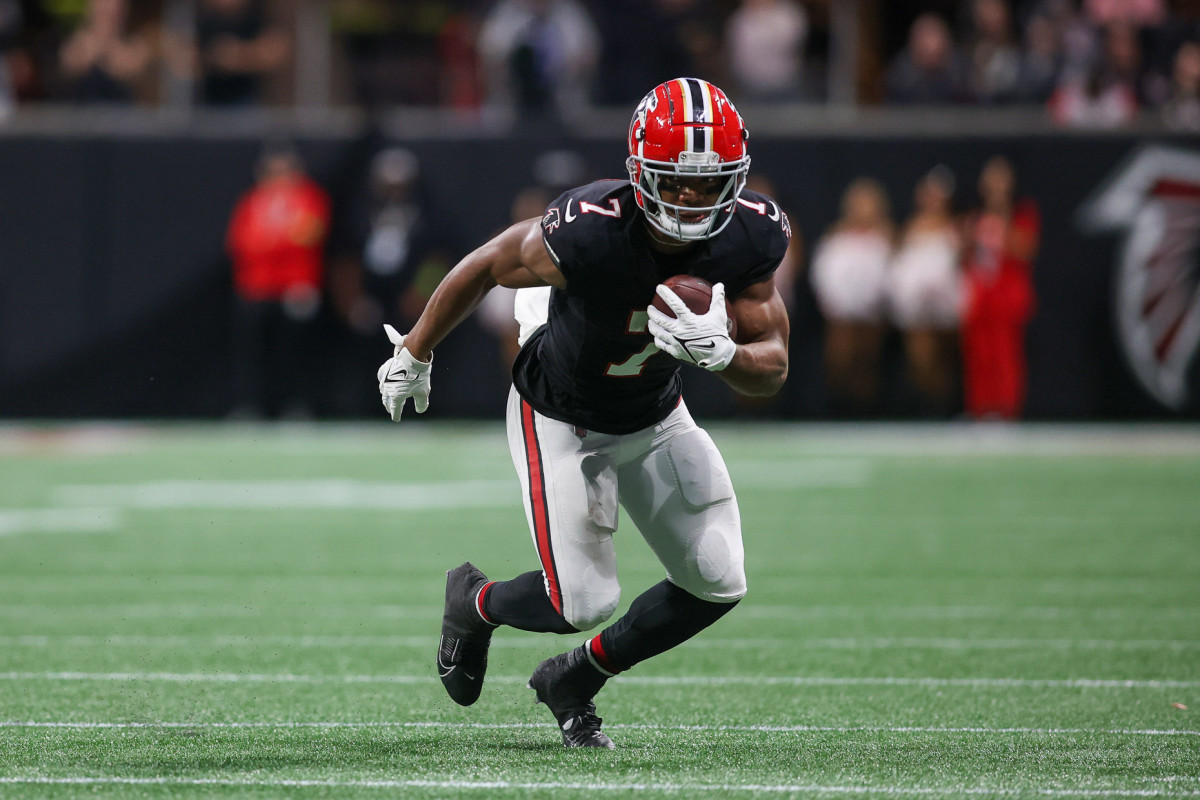
Bijan Robinson
Bijan Robinson has a legitimate case to be the first player selected in fantasy drafts, and his exceptionally clean injury history only strengthens that argument.
Age
Robinson enters his age-24 season, placing him firmly within the physical prime for an NFL running back. His youth should support recovery, strength, and tissue capacity as his workload continues to increase.
Injury History
Robinson’s most significant injury was an elbow dislocation that cost him two games in college. Although severe at the time, a fully healed elbow dislocation carries limited long-term implications for a running back.
Since entering the NFL, he has dealt with only a mild hamstring strain that did not cause him to miss a game. He has played all three seasons without missing a contest.
Workload
Robinson has accumulated just over 1,000 career touches. That is a meaningful workload, but it remains manageable compared to veteran running backs who have surpassed 1,500 or 2,000 touches.
Bottom line: Robinson combines elite fantasy upside with youth, exceptional durability, manageable career volume, and virtually no meaningful orthopedic concerns. Among the elite running backs, he enters 2026 with one of the safest injury profiles. Bijan Robinson's entire injury risk profile can be found here.
Jahmyr Gibbs
Gibbs and Bijan Robinson are the clear top two running backs entering 2026. When two players are this closely matched, their injury profiles can serve as a useful tiebreaker.
Age
Gibbs enters his age-24 season. His youth works strongly in his favor and improves the likelihood that his previous minor injuries healed without meaningful lingering deficits.
Injury History
Gibbs has missed only two NFL games, both because of a hamstring strain. He also sustained a mild hamstring injury during the 2024 preseason but recovered without missing any regular-season action.
Prior hamstring injury increases the risk of another strain, so the history cannot be completely ignored. However, neither injury became prolonged or developed into a persistent recurring problem.
Workload
Gibbs has limited career volume and has shared backfield responsibilities throughout his NFL career. Even with his projected role increasing, he enters the season without the accumulated wear carried by many veteran running backs.
Bottom line: Gibbs’ hamstring history may give him slightly more risk than Robinson, but the difference is small. His youth, limited career workload, durability, and lack of any major structural injury keep him among the safest elite running backs in fantasy. Jahmyr Gibbs' entire injury risk profile can be found here.
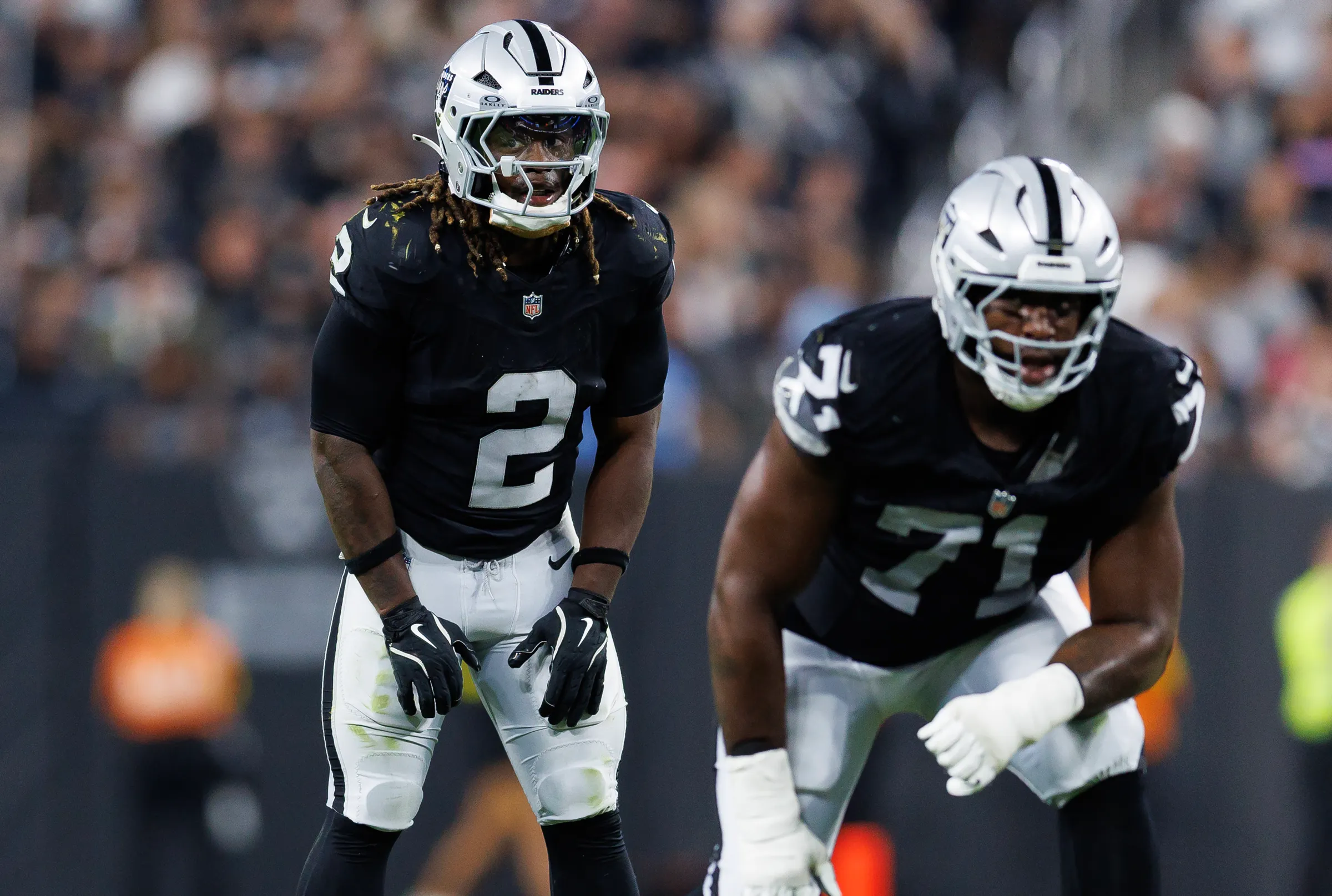
Ashton Jeanty
Jeanty disappointed fantasy managers during his rookie season, but he enters Year 2 with significant upside and relatively few injury-related concerns.
Age
Jeanty remains one of the youngest featured running backs in football. His age gives him a favorable recovery profile and very little accumulated NFL wear.
Injury History
Jeanty’s only notable NFL injury was a mild high ankle sprain sustained midway through his rookie season. High ankle sprains can affect mobility, strength, and stability, but Jeanty did not miss a game, suggesting the injury was relatively minor.
Given its apparent severity and his age, there is little reason to expect significant residual limitations entering 2026.
Workload
Jeanty has only one NFL season of accumulated volume. He has avoided major knee injuries, surgery, and recurring soft-tissue problems that would otherwise elevate his risk.
Bottom line: Jeanty combines youth, limited career volume, and an exceptionally clean injury history. His mild high ankle sprain adds little concern, while an improved Raiders offense could help him substantially outperform his rookie production. Ashton Jeanty's entire injury risk profile can be found here.
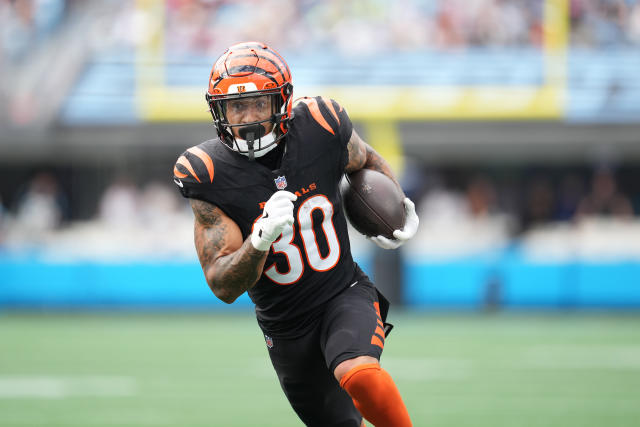
Chase Brown
Brown has quietly developed into one of fantasy football’s most dependable running backs, and his recent durability supports another productive season in 2026.
Age
Brown enters his age-26 season and remains within his physical prime. Age is not currently a meaningful injury-related concern.
Injury History
Brown’s two most notable injuries are a significant hamstring strain from 2023 and a high ankle sprain sustained late in 2024.
Both injuries can become future risk factors if strength, mobility, or stability are not fully restored. However, Brown has not sustained another reported hamstring strain and played all 17 games in 2025 following the ankle injury. His recent availability suggests that neither developed into a persistent problem.
Workload
Brown entered the NFL with limited professional mileage and has not yet accumulated the extensive career workload carried by many established starters.
Bottom line: Brown’s previous hamstring strain and high ankle sprain are worth acknowledging, but neither has become a recurring concern. His age, recent durability, manageable workload, and favorable role give him one of the cleaner profiles among running backs in his draft range. Chase Brown's entire injury risk profile can be found here.
James Cook
Talent, opportunity, prime age, low career volume, and a relatively clean injury history make Cook one of the most appealing running backs entering 2026.
Age
Cook will be 27 years old this season. Although he is approaching the point when age becomes more relevant for running backs, it is not yet a major risk factor.
Injury History
Cook has missed only one game across four NFL seasons and has avoided major surgery or significant structural injury.
His history includes a high ankle sprain, hamstring strain, and toe injury, but none caused an extended absence or became a recurring problem. His continued availability suggests that these injuries healed without significant lingering limitations.
Workload
Cook remains below 1,000 career touches, giving him considerably less accumulated wear than many running backs drafted in the same range.
Buffalo’s use of Ty Johnson and Ray Davis also helps limit Cook’s physical exposure without preventing him from producing elite fantasy numbers.
Bottom line: Cook offers an excellent combination of durability, manageable career volume, elite efficiency, and high-end offensive opportunity. He carries one of the cleanest injury profiles among running backs with legitimate top-tier fantasy upside. James Cook's entire injury risk profile can be found here.
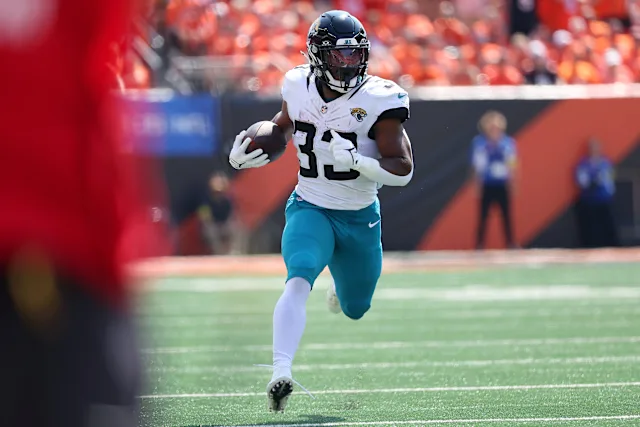
Bhayshul Tuten
With Travis Etienne departing for New Orleans, Tuten has an opportunity to take over Jacksonville’s backfield and emerge as one of the biggest breakout running backs of 2026.
Age
Tuten remains a young running back with very little accumulated NFL wear. His age gives him a favorable physical and recovery profile entering a potentially expanded role.
Injury History
Tuten missed two games as a rookie because of a finger injury that required surgery. Once fully healed, that injury should carry limited long-term relevance to his future availability as a running back.
He also experienced mild hamstring and ankle injuries, but neither caused him to miss a game. Their limited severity makes significant residual deficits unlikely.
Workload
Tuten has handled very little NFL volume and has avoided major knee injuries, recurring soft-tissue strains, and significant lower-extremity surgery.
His expanded role will increase his weekly exposure, but accumulated career workload is not currently a concern.
Bottom line: Tuten still carries the inherent injury exposure associated with being a starting running back, but there are no major red flags on his résumé. His youth, minimal career workload, clean injury history, and expanded opportunity give him a legitimate chance to substantially outperform his draft cost. Bhayshul Tuten's entire injury risk profile can be found here.
Final Thoughts
No running back is injury-proof. The position requires players to absorb frequent contact, accelerate and cut at high speeds, and repeatedly generate force through the lower body. Even the cleanest medical profile cannot eliminate that exposure.
However, Bijan Robinson, Jahmyr Gibbs, Ashton Jeanty, Chase Brown, James Cook, and Bhayshul Tuten enter 2026 without many of the factors that commonly elevate injury risk. They are relatively young, have manageable career workloads, and have largely avoided major surgeries, severe structural injuries, and persistent recurring problems.
That does not mean fantasy managers should ignore roster depth or handcuff strategy. It simply means these six running backs present fewer known orthopedic concerns than many of their peers. When talent, opportunity, and ADP are otherwise comparable, that cleaner injury profile can provide a valuable tiebreaker on draft day.
Want to know which players carry the most—and fewest—injury-related risk factors at every position? The 2026 Fantasy Football Draft Injury Guide includes detailed profiles and risk ratings for more than 150 players, helping you account for age, workload, injury history, and recurring patterns before you draft. Get the complete guide and add the missing piece to your draft preparation.