
Tom Christ, PT, DPT, OCS • August 21, 2026
6 Injury-Discounted Fantasy Football Values to Draft in 2026
Six injury-discounted fantasy football values for 2026, including Patrick Mahomes, Bo Nix, Jayden Reed, Xavier Worthy and more.
Injuries do strange things to a fantasy manager’s mindset. While our first reaction should always be concern for the player, anger, resentment, and distrust often take over when a starting running back tears his ACL or a highly drafted receiver suffers another setback.
The fantasy football community understands injuries better than ever, but uncertainty remains about how a player will perform when he returns. That uncertainty frequently causes managers to overreact, pushing talented players much further down draft boards than the medical evidence warrants.
Where there is disagreement, there is opportunity. The players below are either returning from major injuries suffered last season or dealing with early health concerns that have already depressed their ADP. While some of these players are not considered stars, they should far outplay their current ADP, making them valuable assets. In each case, the perceived risk appears greater than the actual risk, creating some of the best injury-related values available in fantasy drafts.
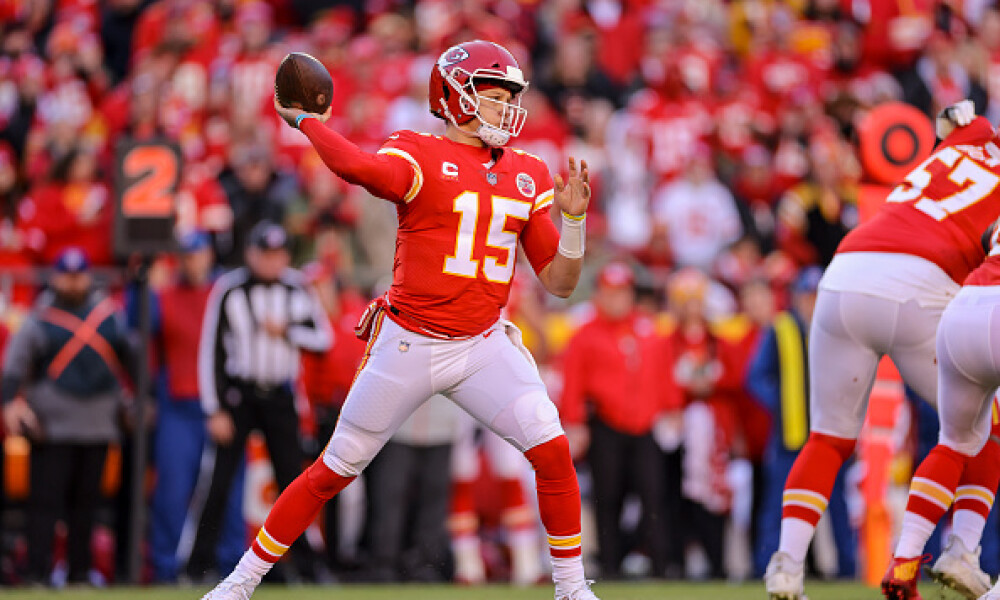
Patrick Mahomes: ADP QB14 | OV108
Patrick Mahomes is returning from a left ACL and LCL injury that required surgical reconstruction on December 15. A nine-month return would be exceptionally fast for a procedure that carries an average return-to-play timeline of approximately 15 months.
That matters for fantasy football because Mahomes relied on his legs more than ever last season. His rushing production will likely decline in 2026, particularly early in the year, and he may not immediately possess the same mobility or confidence outside the pocket. Those concerns, combined with a diminished receiving corps compared to the one he had during the most dominant stretch of his career, have pushed the three-time Super Bowl champion outside the top 12 quarterbacks in drafts.
The injury is significant, but the discount has gone too far.
Mahomes is renowned for his work ethic and has consistently progressed ahead of traditional recovery timelines. He has reportedly remained ahead of schedule throughout rehabilitation and has already displayed the arm strength and accuracy in camp that made him one of the greatest passers in NFL history. The injury also occurred to his left leg, which is advantageous because it is not his primary drive leg when throwing.
His rushing ceiling may be lower, but Mahomes has already proven that he can dominate fantasy matchups through the air. Drafting a quarterback of his caliber outside the top 12 at the position is an overreaction to legitimate—but already heavily priced-in—injury concerns.
Bottom line: Mahomes may begin the season with reduced mobility and rushing production, but his current ADP dramatically undervalues his passing ability, recovery progress and fantasy ceiling. There may not be a better injury-related value available in 2026 drafts.
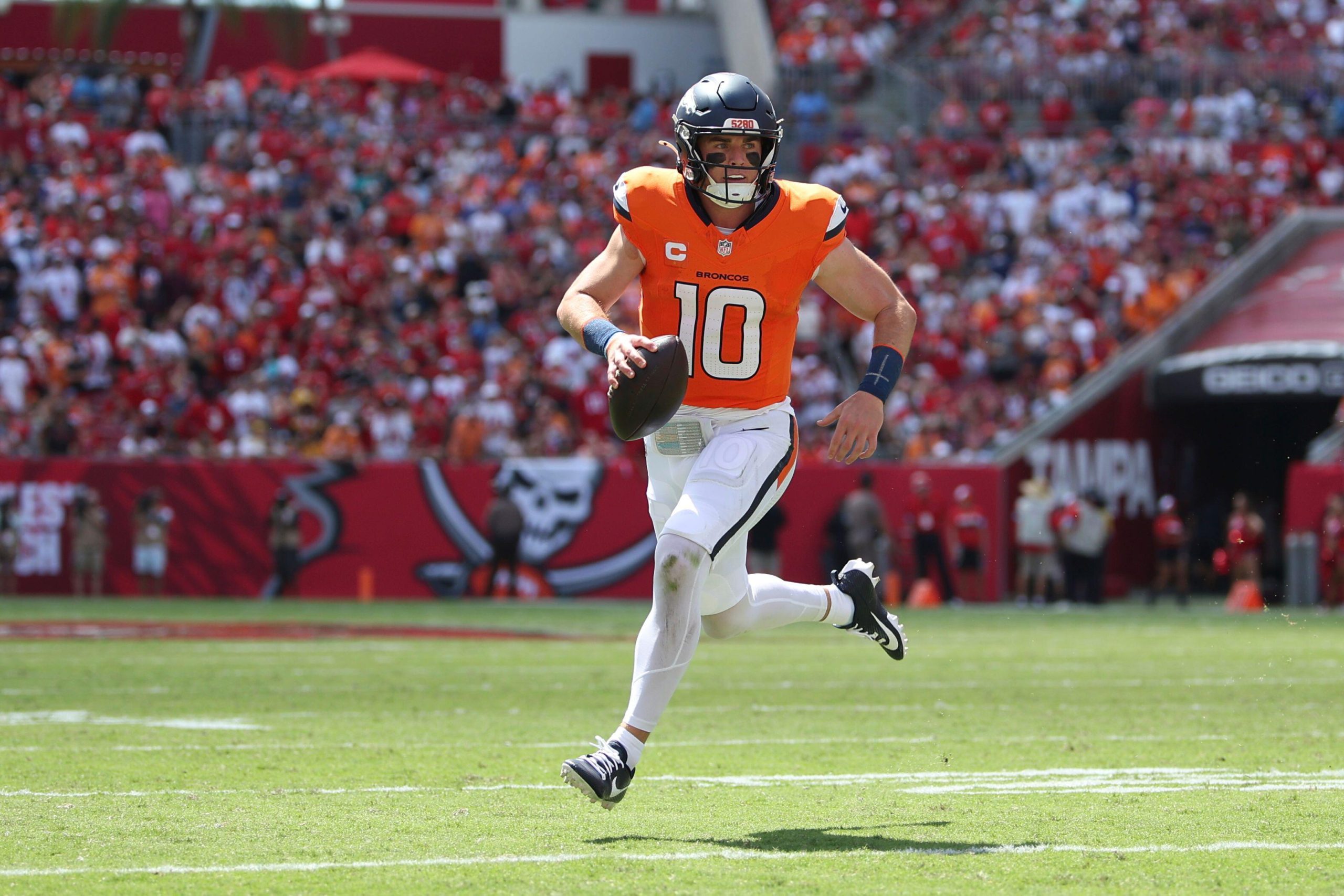
Bo Nix: ADP QB15 | OV115
Bo Nix’s situation is remarkably similar to Mahomes’. He is a talented young quarterback who generates meaningful fantasy production with his legs, and his third career ankle fracture occurred at the worst possible time. Understandably, fantasy managers are concerned about another injury. That risk is worth acknowledging, but once a surgically repaired fracture has fully healed, it would require considerable force to break the same bone again.
An ankle fracture of this nature generally carries a five-to-six-month return-to-play timeline, and Nix appears comfortably on track for Week 1. He has moved and thrown well throughout camp without any notable loss of mobility or passing power. Because the injury involved his right ankle, the primary concerns were whether he could step forward in the pocket and generate force from his back leg. Thus far, neither appears to be an issue.
Nix’s rushing production could decline slightly, particularly early in the season, but he is far more than a rushing quarterback. He is an excellent passer entering the year with an upgraded collection of weapons that includes Jaylen Waddle, Courtland Sutton, Pat Bryant, Troy Franklin and Evan Engram, along with one of the league’s deepest backfields.
Despite that combination of talent, recovery progress and offensive support, Nix is practically free in redraft leagues. In a standard one-quarterback format, there is little reason to spend an early selection at the position when Mahomes and Nix are available this late.
Bottom line: Nix’s injury creates some understandable uncertainty, but his current draft price reflects far more risk than he has displayed during his recovery. He offers legitimate top-tier upside at a minimal cost.
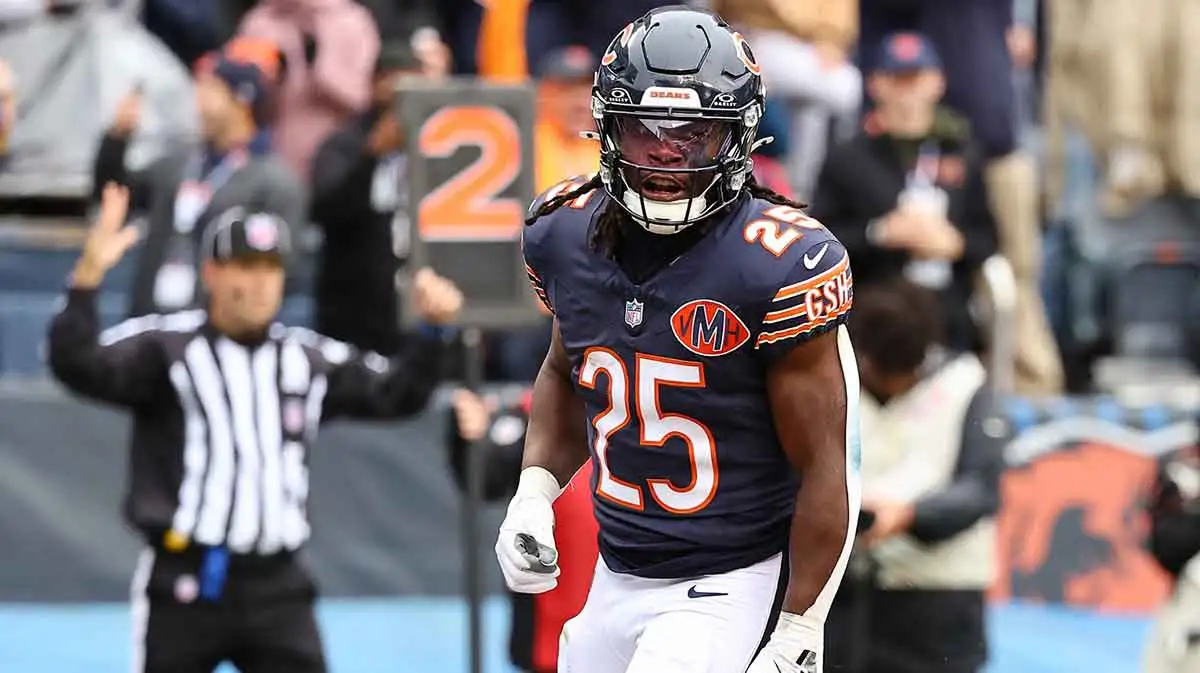
Kyle Monangai: ADP RB 35 | OV92
Kyle Monangai’s situation is different from Mahomes and Nix. His ADP has fallen three spots since he hyperextended his right knee—hardly a catastrophic drop, but still more movement than the current information warrants.
The MRI was reportedly viewed as positive, and initial testing indicated that the knee was structurally sound. If the cruciate ligaments, particularly the PCL, are intact, the primary concern becomes pain and swelling from the hyperextension, potentially including a bone contusion, rather than long-term instability. Bone bruises can be painful and require several weeks to settle, but players generally respond favorably once the swelling subsides and strength and motion return.
Until reporting reveals meaningful ligament damage or a substantial setback, I am buying any dip in Monangai’s price.
He is an ascending running back in a productive Chicago offense who already possesses standalone fantasy value alongside D’Andre Swift. Swift is a talented player, but his extensive injury history, including seven reported left-sided groin issues, creates a clear path for Monangai’s role to expand considerably if Swift misses time.
Bottom line: Monangai is expected to miss multiple weeks, but the early reporting points toward a favorable outcome without surgery or major structural damage. A modest discount is understandable; a continued slide would create a legitimate buying opportunity.
Makai Lemon: ADP WR 40 | OV97
Makai Lemon’s discount is primarily the result of recurring hamstring injuries that have disrupted his first NFL preseason. Fantasy managers may be more concerned about a slow start caused by missed practice time than a season-long limitation, but either concern has created an appealing draft value.
Two hamstring injuries involving the same side are not how you want a wide receiver to begin his career. Hamstring strains carry one of the highest recurrence rates among muscular injuries, and that risk is particularly relevant for receivers because of the repeated sprinting, acceleration and sudden changes of direction required by the position.
There are also reasons for optimism. Lemon is young, which supports his healing potential, and Philadelphia’s deep receiving corps gives the team little reason to rush him into a full workload. A gradual return should allow him to rebuild his speed, strength and confidence before taking on a larger role.
The real appeal begins later in the season. Lemon’s ability to separate, play inside or outside and create after the catch addresses exactly what Philadelphia’s offense lacked last year. New offensive coordinator Sean Mannion is expected to introduce a more versatile and deceptive system, and the Eagles did not trade up in the first round for Lemon without plans to feature him.
Bottom line: Lemon may start slowly, and his same-side hamstring recurrence deserves respect. However, Philadelphia can afford to ease him back before expanding his role, making him an appealing draft-day discount with significant second-half upside.
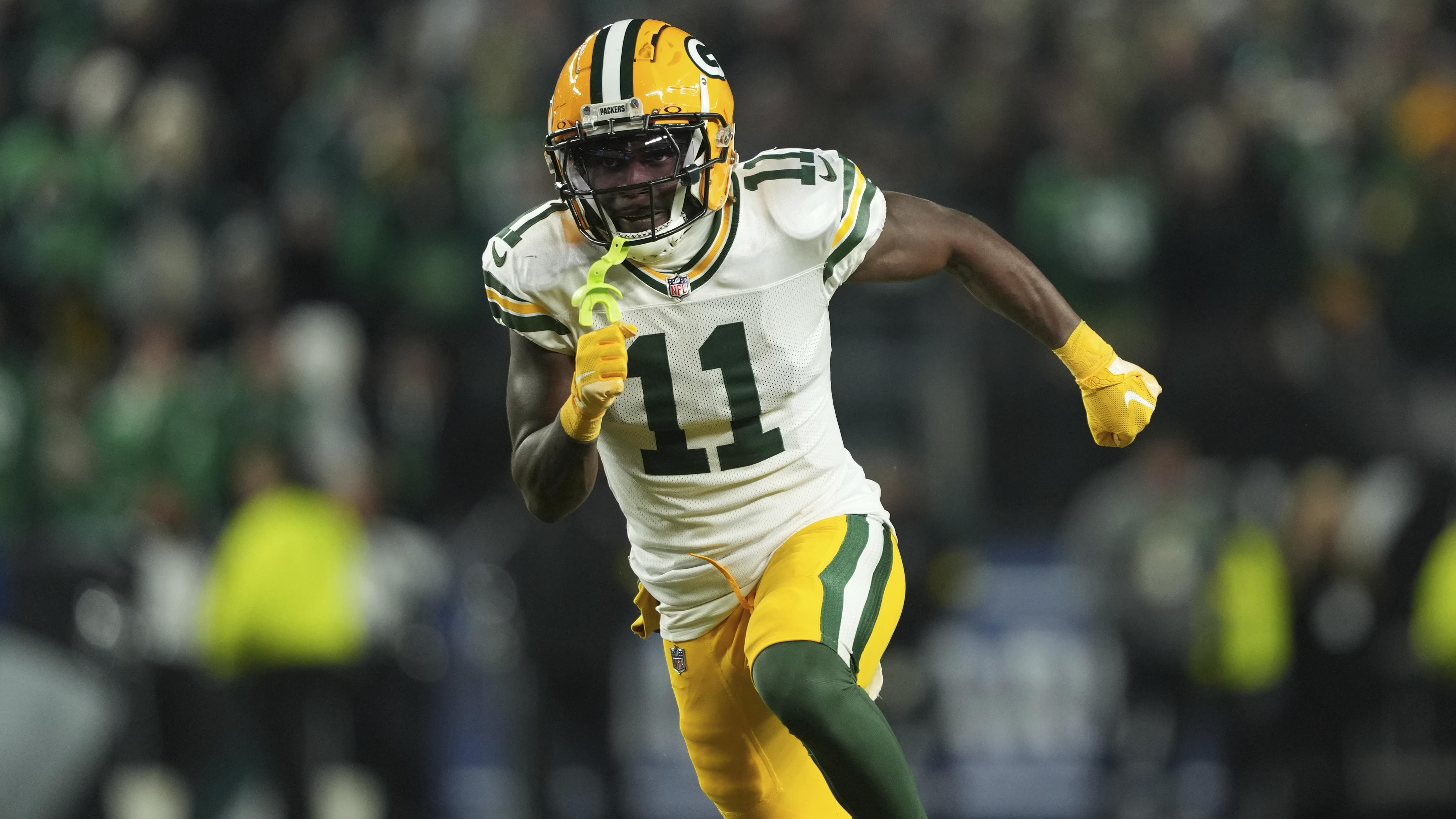
Jayden Reed: ADP 46 | OV 113
Jayden Reed feels like free money at his current draft price. He has always been an explosive playmaker capable of scoring whenever the ball reaches his hands, and the departures of Romeo Doubs and Dontayvion Wicks have created a clear path toward more consistent targets.
Last season was essentially lost after a Jones fracture and a clavicle fracture sidelined Reed for much of the year. That disappointing season has caused fantasy managers to overlook a player who produced more than 900 yards from scrimmage in each of his first two NFL seasons.
Both injuries required surgery, but neither should prevent Reed from regaining his previous athleticism once fully healed. Surgically repaired clavicle fractures generally carry an excellent outlook, while Jones fractures deserve slightly more caution because of their healing and refracture considerations. However, successful fixation and a full rehabilitation significantly improve stability and the likelihood of returning without meaningful limitations.
Reed now has an opportunity to lead Green Bay’s passing attack or, at worst, operate as one of Jordan Love’s top two targets. His efficiency, versatility and big-play ability give him considerably more upside than the typical receiver available in the ninth or 10th round.
Bottom line: Reed’s injury-shortened season has created a major recency bias. With his athleticism expected to be restored and additional targets available, his current price is an easy bet on talent, opportunity and a proven history of explosive production.
Xavier Worthy: ADP WR51 | OV 131
Xavier Worthy’s 2025 season was disrupted on Kansas City’s third offensive play, when Travis Kelce collided with him and caused a significant shoulder dislocation. Worthy missed several weeks and eventually returned, but he never looked completely comfortable or as explosive as he had before the injury.
Offseason surgery repaired the torn labrum and restored stability to the shoulder. Although no procedure eliminates risk entirely, surgical stabilization significantly reduces the likelihood of another dislocation and should allow Worthy to enter 2026 without the pain, instability or apprehension that limited him last season.
Worthy may never develop into a complete, high-volume receiver, but he is exceptional at the skill that matters most in Kansas City’s offense: creating explosive plays with elite speed. He remains the team’s best deep threat and can also generate production through underneath receptions, designed touches and yards after the catch.
Patrick Mahomes is going to throw frequently, and someone must earn those opportunities. Rashee Rice has reportedly lacked some of his previous explosiveness while returning from knee surgery, creating an opening for Worthy to establish himself as a larger part of the passing attack.
Bottom line: Worthy may not become a league-winning target hog, but his shoulder has been surgically stabilized, his role fits perfectly with Mahomes and his current price is minimal. He should comfortably outperform his ADP if he simply returns to his pre-injury form.
Conclusion
Injury discounts are not automatically valuable. Some players fall in drafts because their medical outlook genuinely threatens their availability, role or production. Others fall because uncertainty makes fantasy managers uncomfortable—and that is where opportunity begins.
Mahomes and Nix may lose some rushing production, but both remain talented passers available well below their ceilings. Monangai’s knee injury appears far less concerning than initially feared. Lemon offers second-half breakout potential once his hamstring settles, while Reed and Worthy are returning from surgeries that should allow them to regain their previous athleticism.
None of these players is risk-free. The argument is that their current ADPs already account for the risk—and, in several cases, overcorrect for it. Successful fantasy drafting is not about avoiding every injured player. It is about identifying when the potential reward outweighs the risk built into the price.
For detailed injury-risk profiles on more than 150 players, complete recovery analysis and updated draft recommendations, get the 2026 Fantasy Football Draft Injury Guide.