
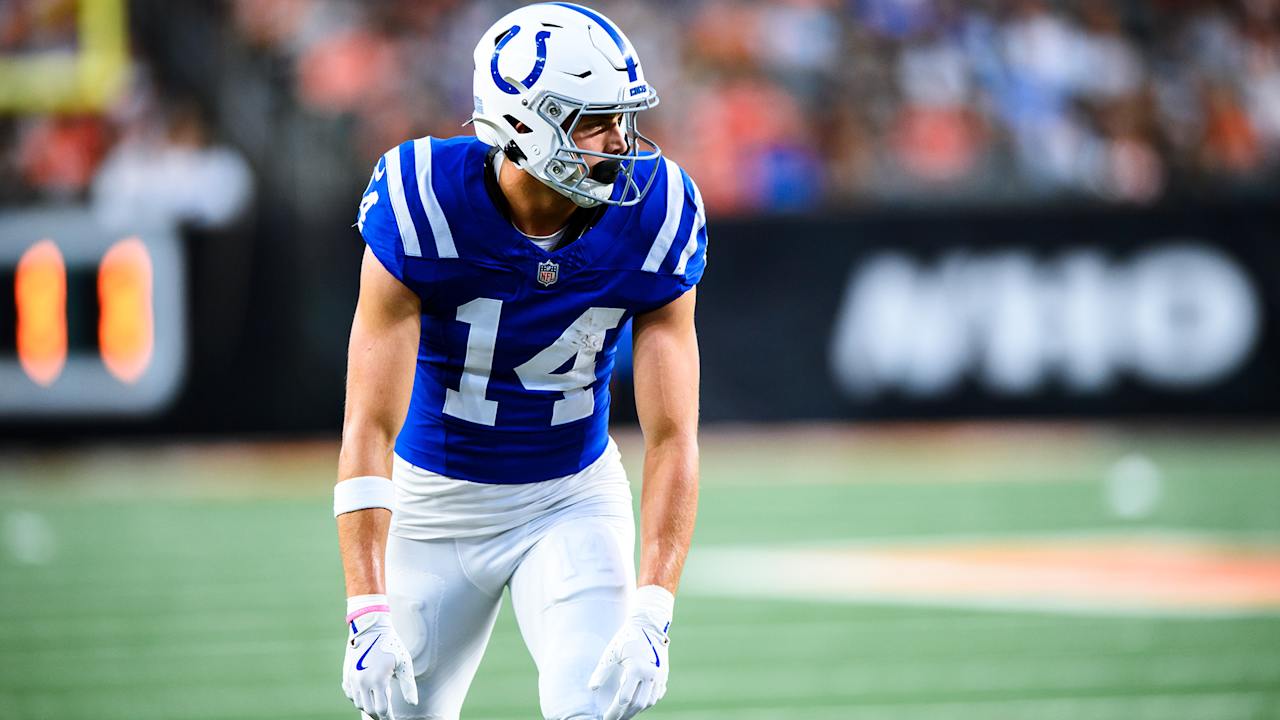
Tom Christ, PT, DPT, OCS • August 13, 2026
8 Wide Receivers With High Injury Risk in 2026 Fantasy Football
Which wide receivers carry the most injury risk in 2026 fantasy football? We break down eight high-profile WRs and the risk factors fantasy managers need to know.
8 Wide Receivers With High Risk Factors for Injury in 2026
Nico Collins: ADP WR9
Collins remains one of the most talented receivers in football, but his injury history is beginning to show a concerning pattern. He has yet to play a full season through five years, while repeated concussions and lower-body injuries give him more risk than most receivers being drafted this early.
Age
Collins enters the season at 27 years old. Age is not a major concern yet, but he is beginning to move out of the portion of his career where youth meaningfully offsets an accumulating injury history.
Injury History
The biggest concerns are two concussions last season along with a history of calf, groin, hamstring, foot, and ankle injuries. Prior concussions increase the risk for another, while repeated lower-body injuries can leave behind subtle deficits in mobility, strength, and tissue capacity.
Workload
Collins remains Houston’s clear top receiving option and should continue handling a high route and target volume. That workload is great for fantasy, but it also means repeated exposure to sprinting, cutting, and contact after several seasons of lower-body issues.
Beneficiary if time missed
Jayden Higgins would likely see the biggest increase in targets and outside-receiver opportunities. Jaylin Noel would also benefit, while Tank Dell could become increasingly relevant depending on where he is in his own knee recovery.
Bottom line: Collins remains an elite fantasy option, but his accumulation of concussions and lower-body injuries gives him more risk than most receivers in his draft tier.

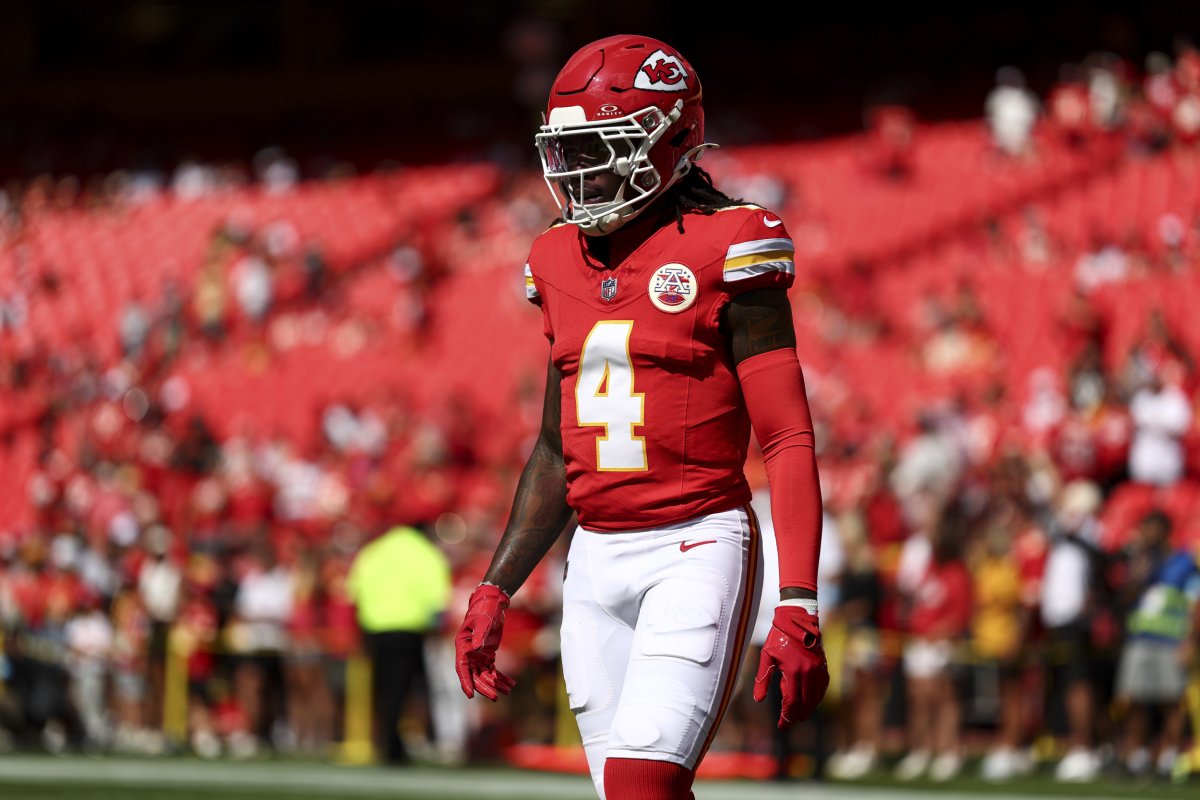
Rashee Rice: ADP WR11
Rice returned from his major right knee injury and immediately showed why fantasy managers remain excited about him. The concern is that the same knee continued causing enough irritation to require another procedure this offseason.
Age
Rice is only 26, which works strongly in his favor. Younger athletes generally recover more efficiently and have less cumulative orthopedic wear than older receivers.
Injury History
Rice previously underwent repair of his right LCL and hamstring before requiring another procedure in May to clean debris from the knee. Multiple procedures on the same joint can contribute to stiffness, weakness, quadriceps inhibition, and altered movement patterns. His month in jail also likely disrupted the consistency of his rehabilitation.
Workload
When healthy, Rice has the type of short and intermediate role that can generate a massive target total. That also requires repeated acceleration, deceleration, and cutting, making restoration of full knee strength and confidence particularly important.
Beneficiary if time missed
Xavier Worthy would be the biggest fantasy beneficiary and could see another jump in target share. Jalen Royals and the rest of Kansas City’s young receiver room would also have more opportunity.
Bottom line: Rice has legitimate WR1 upside, but two procedures on the same knee in a short period of time make his injury profile considerably riskier than his talent suggests.
Chris Olave: ADP WR12
Olave stayed relatively healthy last season and avoided another documented concussion, which was encouraging. Unfortunately, five career concussions remain difficult to overlook when evaluating his long-term injury risk.
Age
Olave is only 26 years old, which is a major positive. There is very little cumulative orthopedic wear for a player entering his fifth NFL season.
Injury History
The obvious concern is his five documented concussions. Previous concussions can reduce the amount of force required to trigger another episode, giving Olave considerably more neurological risk than the average receiver. His offseason blood clot adds uncertainty, although that is a very different issue from his orthopedic injury profile.
Workload
Olave remains the focal point of the Saints passing attack and should once again see significant target volume. The workload itself does not concern me much, although more routes and targets naturally mean greater exposure to contact given his concussion history.
Beneficiary if time missed
First-round rookie Jordyn Tyson would immediately become much more important. New Orleans drafted Tyson to pair with Olave, and his combination of talent and projected role gives him the clearest path to a major target increase if Olave misses time.
Bottom line: Olave remains a high-upside fantasy option, but five documented concussions give him a level of neurological risk that simply cannot be ignored.

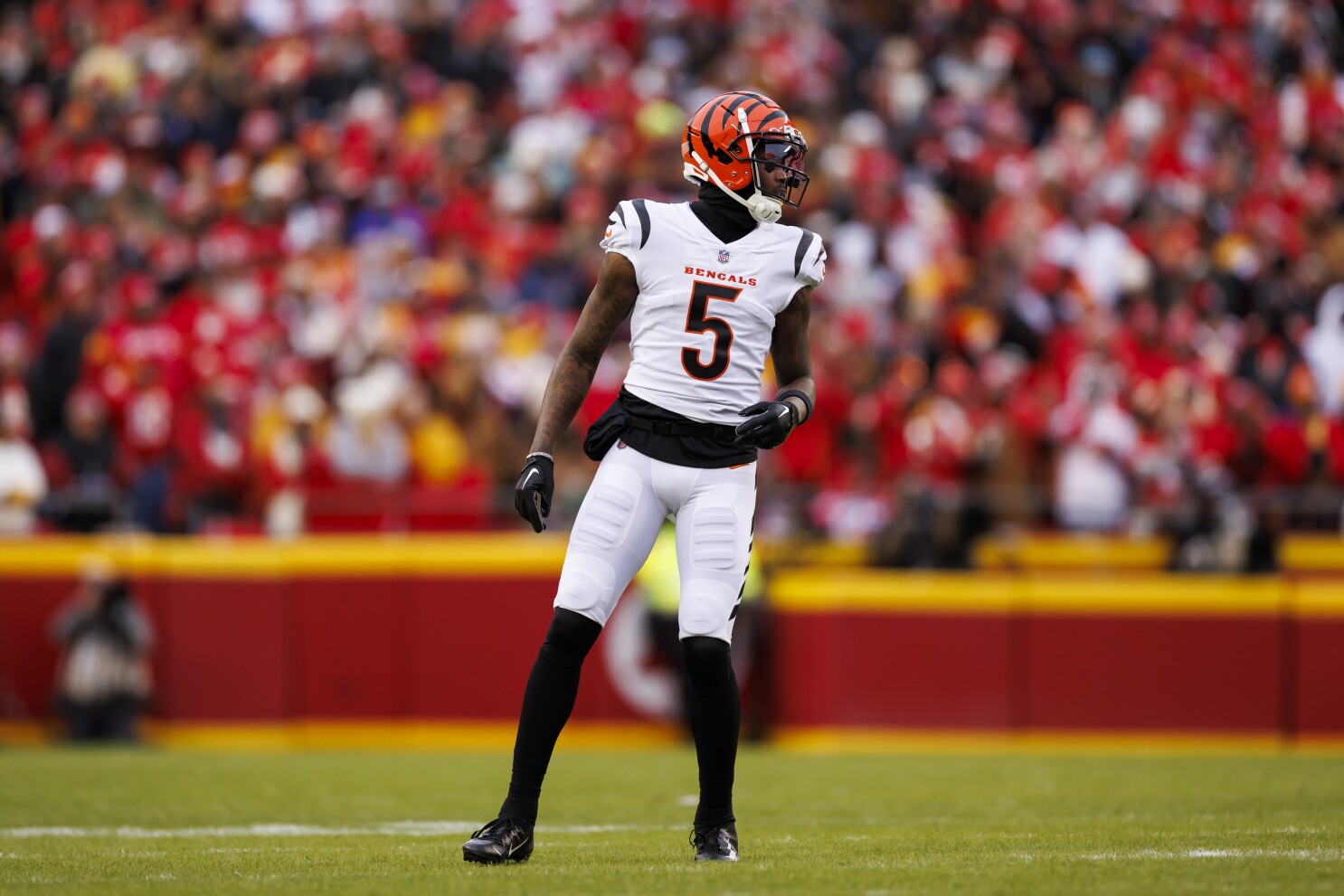
Tee Higgins: ADP WR19
Higgins remains an elite talent, but availability continues to be the problem. He has completed every game in a season only once, and there are now several clear recurrence patterns throughout his injury history.
Age
Higgins enters the season at 27 years old. That is not concerning on its own, but he is reaching an age where a lengthy history of soft-tissue injuries becomes more meaningful.
Injury History
The biggest concern is seven documented hamstring injuries. Prior hamstring strain is one of the strongest risk factors for another, and repeated strains can contribute to loss of strength and tissue elasticity. Higgins has also suffered three ankle sprains and three documented concussions, including two within roughly one month last season.
Workload
Playing opposite Ja’Marr Chase prevents Higgins from having the target volume of a traditional No. 1 receiver, but his role still demands a significant amount of high-speed running. That repeated sprinting is particularly relevant given his extensive hamstring history.
Beneficiary if time missed
Ja’Marr Chase would likely absorb an even larger percentage of the passing game, while Andrei Iosivas would see the biggest increase in snaps and routes as Cincinnati’s current No. 3 receiver.
Bottom line: Higgins can produce elite numbers whenever he is healthy, but seven hamstring injuries, multiple ankle sprains, and three concussions make him one of the riskier receivers in his fantasy tier.

Malik Nabers: ADP WR14
Nabers is one of the most interesting risk-reward picks in fantasy football this year. His recent training camp footage has looked extremely encouraging, but he is still entering year one following a right ACL and lateral meniscus repair.
Age
Nabers just turned 23, which works heavily in his favor. His youth gives him a much better opportunity to restore strength, explosiveness, and confidence than an older receiver returning from the same surgery.
Injury History
The knee is the primary concern, but it is not the only one. Nabers also has a lengthy history of turf toe, which can leave behind loss of big-toe extension and affect sprinting mechanics, along with a shoulder labrum tear that was managed without surgery.
Workload
Nabers should immediately return to being the focal point of the Giants passing game. Wide receivers average roughly a 28% reduction in fantasy points per game during year one after ACL reconstruction, and immediately returning to a massive workload gives him very little room for a slow ramp-up.
Beneficiary if time missed
Darius Slayton would likely see a significant target increase, while Darnell Mooney would become much more fantasy relevant. Mooney has reportedly had an impressive camp and appears positioned for a meaningful role regardless.
Bottom line: Nabers is young enough and talented enough to outperform the typical year-one ACL numbers, but the reconstructed knee, turf toe history, and shoulder labrum tear still make him a high-risk fantasy asset.
Davante Adams: ADP WR23
Adams can clearly still play at a high level, but age and recurring hamstring issues are becoming increasingly difficult to ignore. Last season’s hamstring strain was the fourth documented hamstring injury of his career.
Age
Adams enters 2026 at 33 years old. Age is now a legitimate independent risk factor, particularly for muscle injuries where recovery and tissue resilience become less favorable over time.
Injury History
The repeated hamstring strains are the primary concern. Multiple strains can contribute to scar tissue, decreased elasticity, strength deficits, and reduced tolerance to high-speed running. Adams has dealt with several other injuries, but none creates the same recurrence pattern.
Workload
Playing alongside Puka Nacua means Adams may not have to handle the same target volume he carried earlier in his career. That could help, but he is still being asked to repeatedly accelerate, decelerate, and separate against NFL defensive backs at 33 years old.
Beneficiary if time missed
Puka Nacua would become an even more concentrated target hog, while Jordan Whittington is currently positioned to take on additional receiver snaps.
Bottom line: Adams can absolutely still be productive, but age, cumulative mileage, and four hamstring injuries give him considerably more risk than he carried earlier in his career.
Mike Evans: ADP WR27
Evans has been one of the most durable and productive receivers of his generation, but the accumulation is becoming difficult to ignore. His injury history is extremely long and is highlighted by eight documented hamstring strains.
Age
Evans is currently 32 and will turn 33 before the regular season begins. At this point, age is a meaningful risk factor, especially when combined with repeated lower-body muscle injuries.
Injury History
Eight hamstring strains are the primary concern. Repeated strains can leave behind scar tissue, reduced elasticity, and strength deficits that increase the likelihood of another injury. Last season’s clavicle fracture adds to his overall orthopedic mileage, although it is much less concerning for recurrence.
Workload
Evans has accumulated 12 NFL seasons worth of routes, contact, and high-speed running. San Francisco’s suddenly deep receiver room may allow the offense to manage his workload more than Tampa Bay could in previous seasons, but the career mileage is already there.
Beneficiary if time missed
The 49ers recently brought Deebo Samuel back, giving them another proven weapon alongside Christian Kirk. Those two would likely absorb the largest increase in offensive opportunities if Evans were unavailable.
Bottom line: Evans can still play extremely well when healthy, but age, enormous career mileage, and eight hamstring strains make him one of the highest-risk veteran receivers entering 2026.

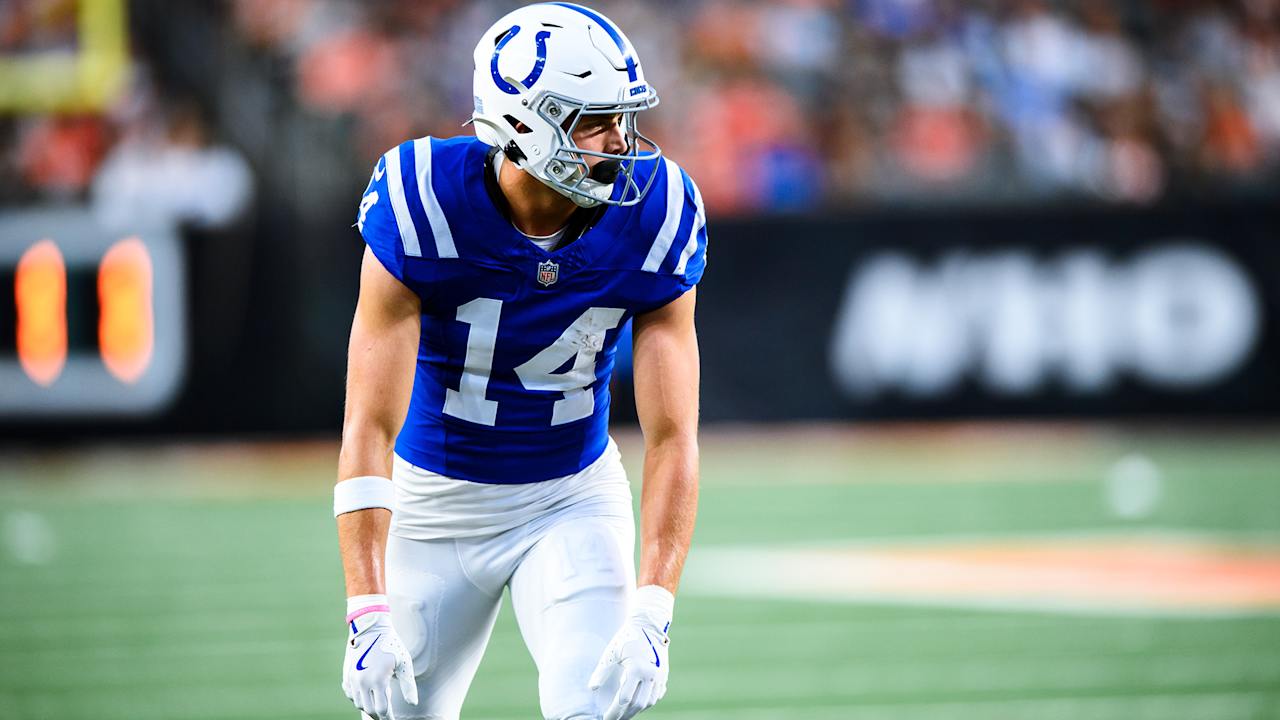
Alec Pierce: ADP WR34
Pierce broke out last season, but I have been concerned about his ankle ever since we learned that a supposed “cleanup” came with a four-to-six-month recovery timeline. He still has not returned to normal training camp participation, which only increases that concern.
Age
Pierce is 26 years old, so age is firmly in his favor. If the ankle fully recovers, there is no age-related reason to expect a decline in explosiveness.
Injury History
The exact ankle procedure has never been disclosed. One possibility that fits the timeline is an osteochondral lesion of the talus treated with debridement and microfracture, although that remains my clinical interpretation rather than a confirmed diagnosis. If that is what he underwent, lingering stiffness and reduced dorsiflexion could affect acceleration, cutting, and vertical explosiveness. Pierce also has three documented concussions.
Workload
Pierce averaged more than 21 yards per reception last season and has developed into one of the league’s most dangerous vertical threats. That style requires repeated high-speed sprinting and efficient ankle push-off, which is exactly why any persistent loss of ankle mobility would concern me.
Beneficiary if time missed
Nick Westbrook-Ikhine would be the most logical candidate to take on additional outside snaps, while Josh Downs could see an increased share of the passing game. Ashton Dulin would also remain involved.
Bottom line: Pierce has obvious fantasy upside, but the uncertainty surrounding his ankle procedure, delayed return to practice, and concussion history give him one of the more concerning profiles among receivers being drafted in this range.