
Tom Christ, PT, DPT, OCS • August 30, 2026
2026 Fantasy Football Training Camp Injury Updates: 20 Players to Monitor Before Week 1
The latest injury updates, return-to-practice news, recovery timelines and Week 1 outlooks for 20 fantasy-relevant players.
2026 Fantasy Football Training Camp Injury Updates
Track the latest 2026 NFL training camp injuries, recovery timelines, Week 1 outlooks and fantasy football impact before your draft.
2026 Fantasy Football Training Camp Injury Tracker: 20 Players to Monitor Before You Draft
The latest injury updates, expected recovery timelines and fantasy beneficiaries from NFL training camps and preseason practices.
Last updated: August 30, 2026
With the preseason complete and Week 1 approaching, NFL teams are beginning to provide clearer information about injured players and their availability for the regular-season opener.
This week’s update includes several newly injured fantasy stars, along with players who have returned or begun progressing back into practice. Full participation, consecutive practices and the ability to complete team drills without a setback will be the most important benchmarks over the next two weeks.
Timelines remain subject to change as teams complete additional evaluations, increase workloads and begin releasing official regular-season practice reports.
For complete injury profiles, historical risk factors and recovery outlooks for more than 150 players, download the 2026 Fantasy Football Draft Injury Guide.
Quarterbacks
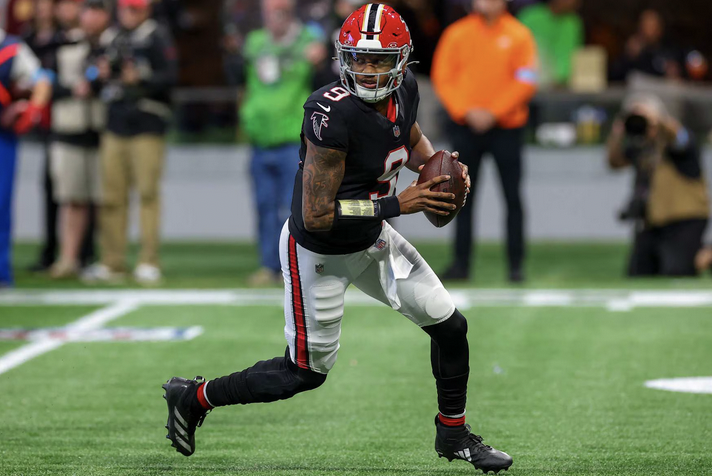
Michael Penix Jr. — Left ACL Reconstruction
Injury
Penix underwent surgery after sustaining a partial tear of his left ACL on November 9, 2025.
Atlanta recently medically cleared Penix to participate in full-team work and 11-on-11 drills. This represents an important transition from controlled rehabilitation into football-specific activity.
Expected Time Missed
Penix has been cleared for 11-on-11 work, but Atlanta has not announced that he will immediately handle a completely unrestricted workload.
His ability to complete consecutive full practices without swelling, soreness or a reduction in movement quality will be the next meaningful benchmark.
Primary Beneficiary If Time Missed
Tua Tagovailoa would remain Atlanta’s starting quarterback and gain additional job security if Penix experiences a setback or requires more time before competing for the starting position.
Analysis
Penix has a real shot to win the starting job as his competitor, Tua, has struggled immensely. Quarterbacks returning from an ACL do not see the same significant dip in fantasy production that running backs and receivers often see. The challenge for Penix is that this is his pushoff leg, which could impact throwing power and ability to step up in the pocket. The bigger concern is his massive injury history. This is the third time he has torn an ACL, and prior injury is the number one risk factor for future injury. So while his knee would not likely affect his fantasy output this year or his ability to feed Bijan, London, and the rest of the Atlanta offense, his ability to stay on the field is in question. Michael Penix's entire injury risk profile can be found here.
Running Backs
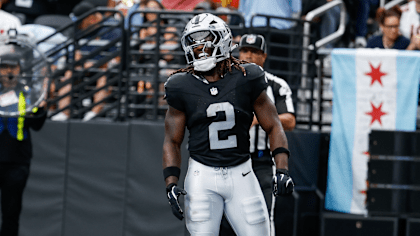
Ashton Jeanty — Right Low-Ankle Sprain
Injury
Jeanty injured his right ankle during an August 23 practice while diving for a pass and landing awkwardly.
He initially required assistance leaving the field and was unable to place weight through his right leg. Subsequent reporting indicated that Jeanty sustained an ankle sprain that is believed to be a lateral (low) ankle rather than the syndesmosis (high ankle).
Expected Time Missed
The Raiders do not consider the injury long-term, and they believe he may be available in Week 1.
Primary Beneficiary If Time Missed
Mike Washington Jr. has received first-team opportunities in Jeanty’s absence and would be positioned to handle the largest share of the Raiders’ backfield touches.
Analysis
Initially a terrifying situation has now been partially revealed, and at least we know this is not a long-term injury. The team is still being ambiguous with its reporting, but if we are to believe this is a lateral (low) ankle sprain, Jeanty should not be hindered much in 2026. Running backs average missing just 1.4 games, though this can vary drastically, but the bigger win is running backs only average a mild 7% decline in fantasy points when they return from a lateral ankle sprain.
Re-injury is certainly a concern; lateral ankle sprains are one of the most common injuries to experience recurrence with. Still, this is a major win compared to what the initial belief was. For fantasy this season, this should hardly be viewed as a deal breaker for drafting Jeanty, and he should not fall out of round 2. Ashton Jeanty's entire injury risk profile can be found here.
Breece Hall — Right-Groin Strain
Injury
Hall sustained a noncontact right-groin strain after catching a pass during an August 17 practice.
Expected Time Missed
Hall has progressed into running and sprinting work off to the side but has not returned to full-team practice. The Jets remain optimistic that he will be available for Week 1.
Primary Beneficiary If Time Missed
Braelon Allen would be positioned to lead the Jets’ backfield if Hall is unavailable or initially limited. Isaiah Davis could also receive additional opportunities.
Analysis
Hall has returned to rehab work on the side of the practice field and appears to be progressing towards being available week one. The groin muscles are involved in single-leg stability and propelling the leg forwards, backwards, and inwards; however, they are not the primary sprinting or cutting muscles. Injury hurts, but often does not lead to lengthy absences (RBs average missing just one game), and there is no fantasy production decline seen. Re-injuries can be an issue, with research showing an 18% recurrence rate, but still, games missed are few, and performance decline is minimal. I would not fade Hall at all because of this injury. Breece Hall's entire injury risk profile can be found here.
Kenneth Walker III — Ankle Irritation and Swelling
Injury
Walker developed ankle swelling and irritation during the final week of the preseason. Kansas City indicated that the issue may have been caused by irritation from his cleat rather than a traditional ankle sprain.
Expected Time Missed
Walker missed multiple practices and was held out of Kansas City’s preseason finale. The issue is not considered serious, and he is expected to be ready for week one.
Primary Beneficiary If Time Missed
Kansas City’s remaining running backs would work in a committee with Emari Demercado and Emmett Johnson taking the bulk of the work.
Analysis
It's not totally clear if this is a real injury or just discomfort and irritation from his cleats, but it does not seem like Walker is at risk for missing any time. If this is just irritation from poorly fitting cleats, this is not a problem whatsoever, and he has enough time to get irritation down and be more comfortable. If this is a mild ankle injury, as mentioned above with Jeanty, RBs only see a very mild dip in fantasy production after ankle injuries. This one is not a big concern at this time. Walker does have a long history of foot, ankle, and abdominal injuries which add some risk for future injury. Kenneth Walker's entire injury risk profile can be found here.
Jeremiyah Love — Left High-Ankle Sprain
Injury
Love sustained a left high-ankle sprain during Arizona’s preseason game against Las Vegas on August 7.
High-ankle sprains affect the ligamentous structures connecting the tibia and fibula above the ankle. They generally require more recovery time than traditional lateral ankle sprains and can temporarily limit acceleration, cutting, and force production.
Expected Time Missed
Love has begun working on the side of practice with the training staff and has a shot to be ready to play in week 1.
Primary Beneficiary If Time Missed
Tyler Allgeier would be positioned to handle the largest share of Arizona’s backfield work if Love is unavailable or limited to begin the season.
Analysis
Love is on track with rehab following a high ankle sprain. A high ankle sprain causes the two shin bones, the tibia and fibula, to gap away from one another and cause injury and laxity to the syndesmosis ligament that holds the bones together. This creates a less stable foot and ankle, making it difficult to plant and cut to change direction. High ankle sprains take longer to return to action compared to low ankle sprains (2.5 games versus 1.4), but this lengthy absence often allows the player to return to play when he has rehabbed enough to avoid a significant decline in fantasy points upon return. Re-injury is a problem, and a moderate-to-severe high ankle sprain (it's likely Love's was at least moderate) can create lasting laxity or stiffness that impacts ankle mechanics, influencing injury elsewhere in the body. In summary, this injury is not a big risk to impact his stat line in 2026, but will be a risk factor for injury. Jeremiyah Love's entire injury risk profile can be found here.
TreVeyon Henderson — Right Foot and Low-Ankle Injury
Injury
Henderson sustained an injury involving his right foot and ankle during an August 24 practice.
Expected Time Missed
Henderson is expected to be ready for Week 1.
Primary Beneficiary If Time Missed
Rhamondre Stevenson would be positioned to handle a larger percentage of New England’s rushing attempts and passing-down work if Henderson is unavailable or limited.
Analysis
Henderson appears to be dealing with a mild ankle injury but should be ready to go week one. A mild ankle injury is unlikely to have done enough damage to impact stability going forward, but will still be a risk factor for re-injury. Very minimal performance decline (7%) is seen in running backs after an ankle injury. This should not affect Henderson's draft position. TreVeyon Henderson's entire injury risk profile can be found here.
Chuba Hubbard — Right-Hamstring Strain
Injury
Hubbard sustained a right-hamstring injury during an August 12 practice after feeling the muscle grab during one-on-one drills.
Expected Time Missed
Hubbard is on track to play in Week 1.
Primary Beneficiary If Time Missed
Jonathon Brooks would have the clearest opportunity to lead Carolina’s backfield if Hubbard misses time or opens the season with a restricted workload.
Analysis
Hubbard has missed most of camp with a hamstring injury but is progressing well. The hamstring is critical for sprinting and becomes especially loaded at top-flight speed. Hubbard has never been a speed runner, so a hamstring strain is less likely to affect his playing style compared to other backs. Running backs do not typically see a major dip in fantasy production after a hamstring injury, but re-injury rates are extremely high. Hubbard's absence has allowed Jonathan Brooks to assume a larger role in Carolina's offense, and this could be the bigger reason if Hubbard gets off to a slow start in 2026. Chuba Hubbard's entire injury risk profile can be found here.
Wide Receivers
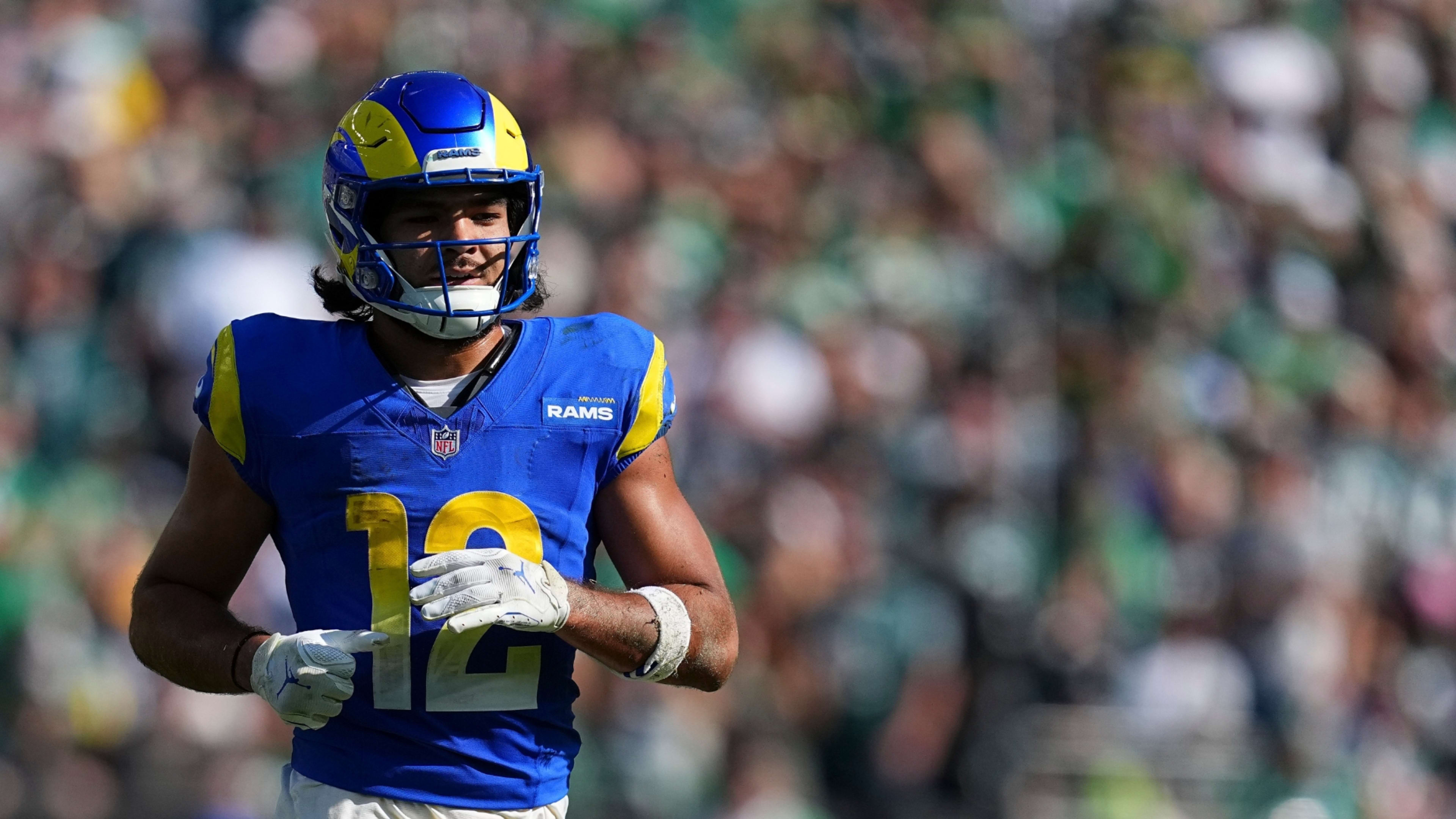
Puka Nacua — Psoas and Groin Soreness
Injury
Nacua exited an August 11 joint practice with groin discomfort that Sean McVay subsequently identified as soreness involving the psoas, a deep hip-flexor muscle.
Expected Time Missed
Nacua has been working with the Rams’ medical and performance staff but has not returned to full-team practice and is expected to play in Week 1.
Primary Beneficiary If Time Missed
Davante Adams would become the unquestioned focal point of the Rams’ passing game and could command one of the NFL’s highest target shares if Nacua misses time.
Analysis
The psoas is a major hip flexor muscle and critically involved in sprinting. The psoas also responds extremely well to rehab, and personally, I've never seen it be a lingering issue. Puka has looked good in rehab work on the side, sprinting against resistance and various other modes of training. It's likely Los Angeles is being careful with their star who has dealt with many injuries, but this one should not keep fantasy managers up at night. I would be shocked if Puka is not full-go week one. Puka Nacua's entire injury risk profile can be found here.
Ja’Marr Chase — Left-Knee Hyperextension
Injury
Chase hyperextended his left knee after landing awkwardly while attempting to catch a deep pass during an August 25 practice.
Expected Time Missed
Chase has been absent from practice but is expected to be ready for Week one.
Primary Beneficiary If Time Missed
Tee Higgins would become Cincinnati’s clear top receiving option if Chase were unexpectedly unavailable. The Bengals’ other receivers would also receive additional opportunities.
Analysis
This was scary. We had a great view of Chase's injury in which he hyperextends and goes into a varus moment at his knee. Often this mechanism will lead to tearing of multiple ligaments; fortunately, this was not the case for Chase. Chase is likely dealing with swelling and bruising, but all reports indicate no ligament or meniscus damage is present. As soon as the swelling and stiffness resolve (usually 1-2 weeks), performance returns to baseline. With no structural damage, there is no real increased risk for future injury. Chase remains a locked-in early 1st round pick. Ja'Marr Chase's entire injury risk profile can be found here.
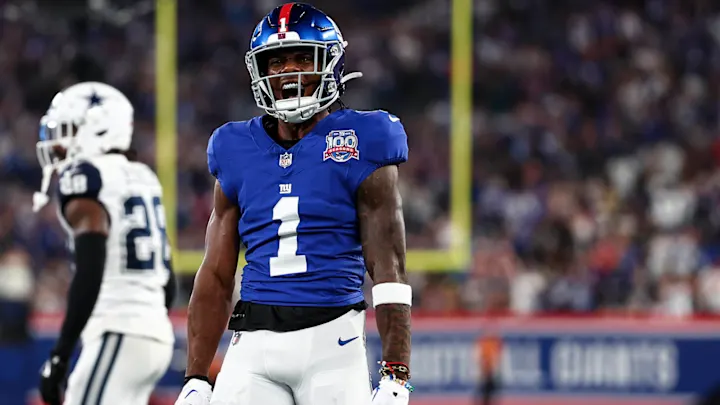
Malik Nabers — Right ACL and Meniscus Reconstruction
Injury
Nabers tore the ACL in his right knee and sustained an associated meniscus injury on September 28, 2025.
Expected Time Missed
Nabers has been crushing the latter part of his rehab, looks very good in practice, and has a shot to play in Week one.
Primary Beneficiary If Time Missed
Malachi Fields and Odell Beckham Jr. appear in line to see added work in the event Nabers misses any time.
Analysis
Nabers looks great, but we still need to act with some caution here. Wide receivers average >20% decline in fantasy points per game in year one after an ACL. There have been a handful of receivers who excel in year one (Cooper Kupp, Julian Edelman, Stefon Diggs), and Nabers does fit the preferred criteria (young and elite production level pre-injury), so he certainly can join those ranks, but it will take a lot of things going his way. The other thing to consider is injury risk. Players are always at a heightened risk for injury coming off an ACL. Re-tears, contralateral tears, and hamstring and quad injury rates are high in year one after an ACL. Add in his history of a chronic toe injury (independent risk factor for injury) and recurring shoulder issues, and Nabers' injury risk profile is significant. He has a shot to be one of the few who play great in year one post-ACL, but there are still some factors to be careful with here. Malik Nabers' entire injury risk profile can be found here.
Emeka Egbuka — Toe Sprain
Injury
Egbuka sustained a toe sprain during an August 12 joint practice after another player rolled into his lower leg. Medical testing reportedly indicated that the joint was stable, and Tampa Bay has characterized the injury as minor.
Expected Time Missed
Egbuka has missed more than two weeks of practice and has not been confirmed as a full participant in team drills.
The Buccaneers remain optimistic that he will be ready for Week 1, but his return to unrestricted practice will be an important benchmark.
Primary Beneficiary If Time Missed
Jalen McMillan, Chris Godwin and Ted Hurst would have opportunities to absorb additional routes and targets if Egbuka is unavailable or limited.
Analysis
Tampa is becoming notorious for not giving us much information about injuries. Toe sprains (turf toe) can lead to lasting issues with toe extension, which is required for normal running biomechanics. Any inability to extend the toe or forcefully push off the toe will alter the running gait pattern, which could impact speed, quickness, and increase injury risk. The good news is mild toe injuries heal well without these lasting issues. If Egbuka's injury truly is mild, I'm not expecting any lingering issues into 2026. However, we cannot trust Todd Bowles' reporting, and the lengthy absence Egbuka has experienced suggests this may be a mild sprain. For now, I would let Egbuka's ADP drop 6-10 slots but no more. The upside remains tremendous, especially if this is just a mild sprain. Emeka Egbuka's entire injury risk profile can be found here.
Brian Thomas Jr. — Left-Shoulder Injury
Injury
Thomas landed directly on his left shoulder while making a touchdown catch during an August 25 joint practice with Tampa Bay.
Expected Time Missed
Jacksonville does not believe Thomas sustained a significant injury and expects him to be available for Week 1.
Primary Beneficiary If Time Missed
Parker Washington and Jakobi Meyers would be positioned to receive a larger target share. Brenton Strange and Jacksonville’s other receivers could also absorb additional opportunities.
Analysis
Thomas has already returned to practice after injuring his shoulder. While he's not taking contact yet, with two whole weeks until week one, this should not affect his ability to suit up and play a full snap count. Mild shoulder injuries don't impact a receiver's ability to produce, and risk for re-injury is minimal. This one should not cause you to fade Thomas. Brian Thomas Jr.'s entire injury risk profile can be found here.
Alec Pierce — Left Ankle and Heel Surgery
Injury
Pierce underwent a surgical procedure in late March after dealing with an ankle and heel issue throughout the 2025 season.
The injury did not respond sufficiently to rehabilitation and a platelet-rich plasma injection, leading Pierce and the Colts to address it surgically. Indianapolis has not publicly confirmed what his procedure was.
Expected Time Missed
Pierce has a shot to play in Week one.
Primary Beneficiary If Time Missed
Josh Downs and Keenan Allen would be positioned to receive additional targets if Pierce is unavailable or limited. Indianapolis could also lean more heavily on Tyler Warren.
Analysis
Despite clearly not walking normally, Pierce has looked okay in practice videos so far. He is not pushing off his left ankle with as much quickness and power as we would like to see, but this is expected at this phase of rehab and should get better. Continuing to search for quality practice videos is key in assessing Pierce's expectations for 2026 from a production standpoint, but I would not be surprised if this injury does impact his ceiling and his ability to get deep. Re-injury is also a big concern. While we don't have confirmation on what this surgery was, any "cleanout" does not repair whatever was damaged, and further ankle issues are at an increased risk. Alec Pierce's entire injury risk profile can be found here.
Luther Burden III — Groin Strain
Injury
Burden sustained a groin injury after becoming tangled with a defender during an August 8 practice.
Expected Time Missed
Burden returned to practice on August 26, initially participating in individual drills without joining seven-on-seven work. He subsequently participated in another practice and is progressing toward Week 1 availability, but he has not yet been confirmed as completely unrestricted.
Primary Beneficiary If Time Missed
Rome Odunze and Chicago’s other starting receivers would be positioned to receive additional routes and targets if Burden is unavailable or limited.
Analysis
Burden should be fine, and his current ADP dip due to this injury is enticing. Groin injuries hurt, and the groin is involved in single-leg stability, sprinting, and cutting, but it's not the primary mover for these actions. Receivers average missing just about one game (plenty miss more) and see no performance decline upon return. His ability to play well from the start is not the issue; the only concern is an 18% re-injury rate. Luther Burden's entire injury risk profile can be found here.
Makai Lemon — Recurrent Right-Hamstring Strain
Injury
Lemon injured his right hamstring during an August 3 practice after previously missing time with an injury involving the same hamstring during the spring.
Expected Time Missed
Lemon became a full participant on August 24 and played in Philly's final preseason game, putting him on track to be available in week one.
Primary Beneficiary If Time Missed
Dontayvion Wicks has received additional practice opportunities and would be positioned for an expanded role if Lemon experiences a setback or opens the season with a limited workload.
Analysis
Two hamstring injuries to the same hamstring within 5 months is not a great way to start one's NFL career. The risk for a subsequent hamstring strain is significantly elevated for the remainder of the season, especially these first few weeks. Lemon's youth does help with full healing and a slight reduction in injury risk, and I would expect Philly to ease him into their lineup both to protect him and also due to him missing significant time during camp. Lemon did not look like he had his burst fully back during Philly's preseason game, and that is not unexpected. The hamstring is critical for speed and acceleration, and two recent injuries may have him not quite at 100% strength and power yet. He also may be getting comfortable trusting his hamstring, which could present as decreased force output. This is a risk factor for injury, but I'd expect Lemon's explosiveness to return and his role to slowly grow over the course of the season. Makai Lemon's entire injury risk profile can be found here.
Zay Flowers — Undisclosed Lower-Body Injury
Injury
Flowers sustained an undisclosed lower-body injury during an August 26 practice.
Baltimore has not identified the injured body region, diagnosis, mechanism or laterality. Without those details, it is not currently possible to establish a responsible recovery timeline.
Expected Time Missed
Flowers is expected to play in Week one
Primary Beneficiary If Time Missed
Ja'Kobi Lane would be positioned to take on a larger receiving role if Flowers misses time. Baltimore could also direct additional targets toward its tight ends.
Analysis
Baltimore has not revealed the extent of Flowers' injury, but it's mild enough that he is fully expected to be ready week one. Flowers has a relatively clean injury history outside of the knee sprain that ended his 2024 season. Flowers is still young and is the clear WR1 in Baltimore and may be ready for his best season yet. Zay Flowers' entire injury risk profile can be found here.
Tight Ends
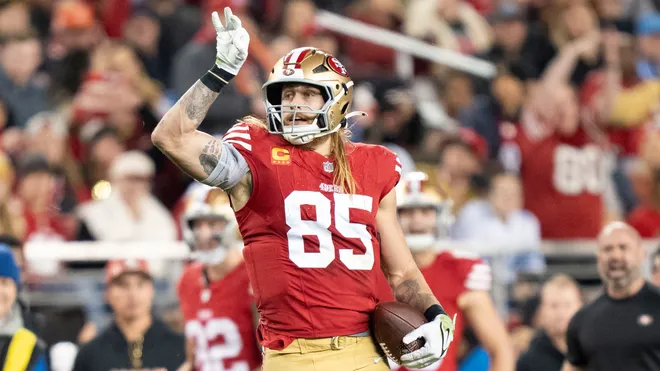
George Kittle — Right Achilles Reconstruction
Injury
Kittle tore his right Achilles tendon during San Francisco’s playoff loss on January 11 and subsequently underwent surgical repair.
Expected Time Missed
San Francisco activated Kittle from the physically unable to perform list on August 23; he has been practicing and has a real chance to play in Week one.
Primary Beneficiary If Time Missed
Jake Tonges would have an opportunity to handle more tight-end snaps, although Christian McCaffrey and San Francisco’s wide receivers would be more likely to absorb Kittle’s fantasy-relevant targets.
Analysis
It's quite miraculous that Kittle may be ready to go in Week one, but to expect his full explosiveness and big-play ability to have returned in full is naive. If Kittle can play, he still has fantasy value in his big body and reliable hands, but I would not expect him to look quite the same as we are used to. A combination of age and attempting a fast recovery from an Achilles tear, as well as his long list of prior injuries, may take its toll on his speed and explosiveness, and add significant risk for future injury. All this said, he can still score touchdowns and move the chains and provide some value in fantasy. George Kittle's entire injury risk profile can be found here.
Sam LaPorta — Hip Injury
Injury
LaPorta sustained a hip injury after absorbing a hit during practice in mid-August.
Expected Time Missed
LaPorta returned to practice on August 25 and participated in a significant portion of Detroit’s team drills. He should be ready to go in Week one.
Primary Beneficiary If Time Missed
Brock Wright would receive the largest increase in tight-end snaps. Amon-Ra St. Brown and Detroit’s other receivers would be more likely to absorb LaPorta’s vacated targets.
Analysis
This has sounded like a hip pointer (bruise) the whole time, and there have been no reports to dispute that yet. If true, as soon as bruising resolves, function restores. I would not expect this injury to limit LaPorta's upside or be likely to experience re-injury this year. LaPorta's back injury also should not affect his production but is an independent risk factor for injury. Sam LaPorta's entire injury risk profile can be found here.
Tyler Warren — Groin Strain
Injury
Warren sustained a groin injury during an August 19 joint practice.
Expected Time Missed
Warren has continued to participate on a limited basis and should be ready to play in Week one.
Primary Beneficiary If Time Missed
Mo Alie-Cox would receive additional tight-end snaps. Alec Pierce, Josh Downs and Keenan Allen could absorb more targets if Warren is unavailable or limited.
Analysis
As mentioned with several players above, groin injuries are painful and have an around 18% recurrence rate, but don't usually have any negative impact on fantasy stats. Warren has had plenty of time to rehab, and I suspect he is ready to go in week one without any snap limitations. He is a very high upside play in 2026. Tyler Warren's entire injury risk profile can be found here.
Tucker Kraft — Right ACL Reconstruction
Injury
Kraft tore the ACL in his right knee on November 2, 2025, and subsequently underwent reconstructive surgery.
Expected Time Missed
Kraft has advanced into 11-on-11 drills and is expected to be a full participant for Week 1.
Primary Beneficiary If Time Missed
Luke Musgrave would be positioned to handle a larger percentage of Green Bay’s tight-end snaps and receiving work if Kraft experiences a setback or begins the season with a restricted workload.
Analysis
Initially, Kraft told us himself he would be on a snap restriction, but has recently rebutted those comments. Tight ends don't struggle as much after an ACL compared to running backs and receivers, and Kraft fits the mold of the type of athlete who could perform well in year one (age, ACL only, elite athletic profile). Kraft may start slowish, but I expect by mid-season he is dominant again. Re-injury and subsequent injury are concerns.
Tucker Kraft's entire injury risk profile can be found here.
Final Thoughts
Several highly drafted fantasy players are still working toward full clearance as Week 1 approaches. Ashton Jeanty’s right-ankle sprain, Puka Nacua’s extended absence and Emeka Egbuka’s lingering toe injury are among the most serious situations to monitor.
There have also been several encouraging developments. Makai Lemon has returned to full participation, while Alec Pierce, Luther Burden III, Sam LaPorta, Tucker Kraft, George Kittle, Malik Nabers and Michael Penix Jr. have reached meaningful practice milestones in their recoveries.
The next major benchmark will be the release of official Week 1 practice reports. Full participation on consecutive days will carry considerably more meaning than players merely being present for individual drills or conditioning work.
For complete injury profiles, historical risk factors and recovery outlooks for more than 150 players, purchase the 2026 Fantasy Football Draft Injury Guide.