
Tom Christ, PT, DPT, OCS • August 14, 2026
6 Quarterbacks With High Injury Risk in 2026 Fantasy Football
Which quarterbacks carry the most injury risk in 2026 fantasy football? We break down six notable QBs and the risk factors fantasy managers should know before drafting.
6 Quarterbacks With High Risk Factors for Injury in 2026
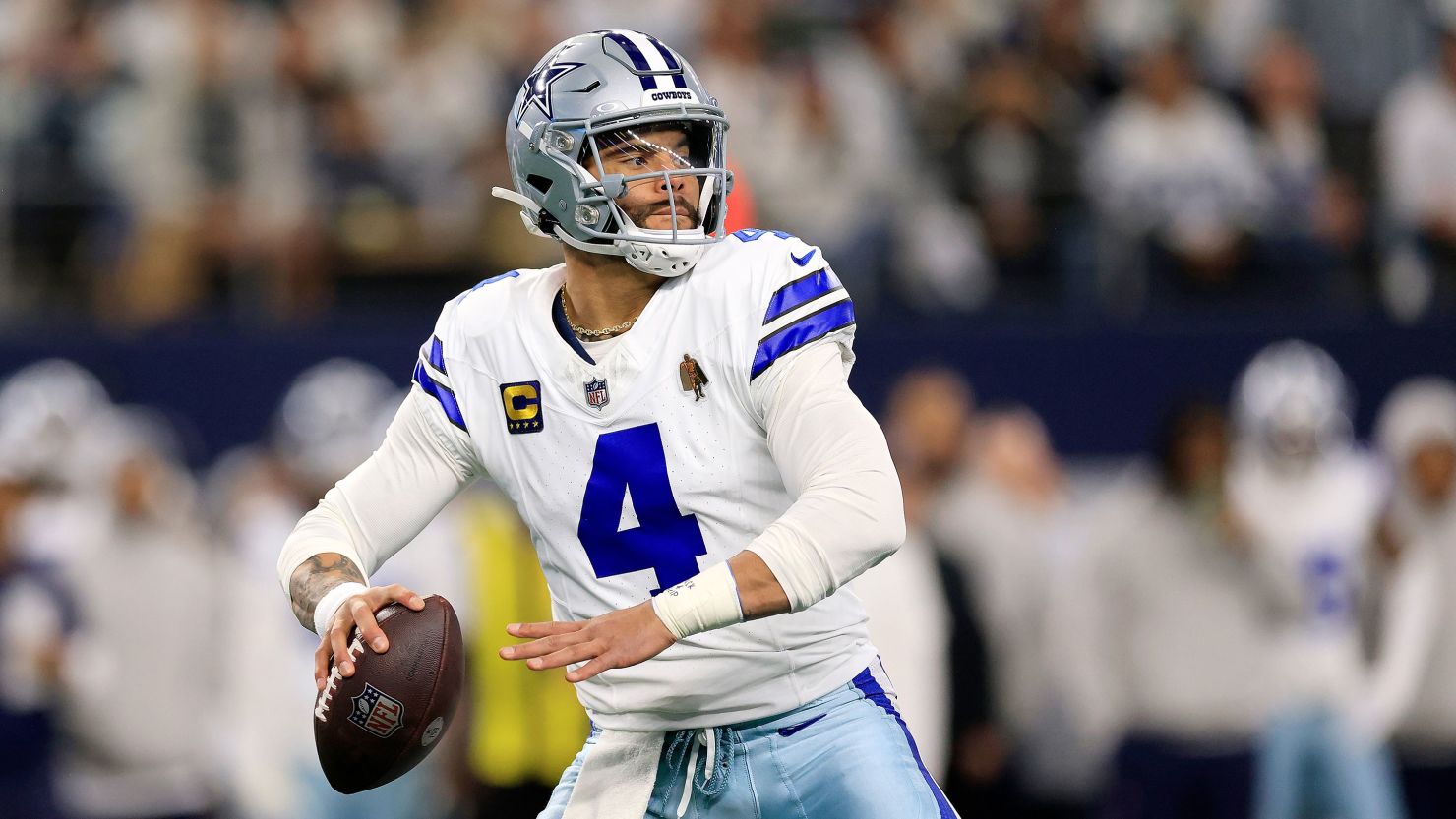
Dak Prescott: ADP QB9
Prescott stayed healthy throughout 2025 and showed he is still capable of playing a full season at a high level. The concern entering 2026 is less about one specific injury and more about his age, lengthy medical history, and a notable pattern of right-sided lower-body injuries.
Age
Prescott enters the season at 33 years old. Age is now beginning to work against him, especially when combined with an already extensive injury history.
Injury History
Nearly all of Prescott’s major lower-body injuries have occurred on the right side, including his severe ankle fracture-dislocation, calf strain, and hamstring injury. It is impossible to prove that these injuries are connected, but lasting changes in ankle mobility, strength, or mechanics could theoretically increase stress farther up the same leg.
Playing Style
Prescott is primarily a pocket passer at this stage of his career, which helps limit some of his exposure. Still, the right leg plays an important role in generating force during his throwing motion, making preservation of lower-body mobility and strength important.
Beneficiary if time missed
Joe Milton III currently sits behind Prescott, with Sam Howell also in the quarterback room. Milton’s athleticism would make him interesting in deeper and superflex formats, although the entire Dallas passing attack would likely take a hit without Prescott.
Bottom line: Prescott is not destined to miss time, and a healthy 2025 season is encouraging. However, his age, extensive injury history, and repeated right-sided lower-body injuries give him more risk than most quarterbacks in his fantasy tier.

Matthew Stafford: ADP QB12
Stafford’s injury history is longer than a spoiled kid’s Christmas list, and he enters 2026 at 38 years old. He has repeatedly played through injuries that would sideline most quarterbacks, but age and nearly two decades of orthopedic wear are becoming impossible to ignore.
Age
At 38, Stafford is one of the oldest quarterbacks in football. Age and prior injury history are two major risk factors for future injury, and Stafford checks both boxes in a major way.
Injury History
His back history is the biggest concern and includes a fracture, spinal cord contusion, and more recent disc herniation. Stafford has also dealt with multiple nerve-related injuries and several right shoulder problems earlier in his career. Most have resolved without significantly affecting his performance, but the accumulation is substantial.
Playing Style
Stafford remains a high-volume pocket passer who is willing to stand in and absorb contact to make throws. He does not expose himself as a runner, but nearly two decades of hits and throwing volume have created more cumulative orthopedic mileage than almost any quarterback in the league.
Beneficiary if time missed
Rookie Ty Simpson currently sits behind Stafford, with Stetson Bennett also competing for the backup role. Simpson would have the most fantasy intrigue if forced into action, although Los Angeles would likely prefer not to rely heavily on the rookie this early.
Bottom line: Stafford continues to outperform his injury profile, but drafting a 38-year-old quarterback with this much orthopedic and neurological history comes with obvious added risk.
Kyler Murray: ADP QB17
Murray missed significant time last season with a right foot injury, adding another lower-body problem to a history that already includes a right ACL tear and multiple hamstring injuries. He appears healthy now, but the accumulation gives him a more concerning profile than most quarterbacks in his range.
Age
Murray enters the season at 29 years old. That is not a major concern by itself, but age is beginning to become more relevant for a quarterback whose fantasy ceiling depends heavily on mobility and explosiveness.
Injury History
The recent right foot injury reportedly involved the first ray near the big toe, an important area for push-off during both running and throwing. When combined with his prior right ACL reconstruction and recurring hamstring issues, Murray now has several injuries that could potentially affect lower-body mechanics and force production.
Playing Style
Murray’s rushing ability remains a major part of his fantasy appeal, but it also places greater demands on the same lower extremity that has accumulated several significant injuries. The more he runs, the more important restoration of full foot, knee, and soft-tissue function becomes.
Beneficiary if time missed
J.J. McCarthy would immediately step into the picture. Murray and McCarthy are currently competing for Minnesota’s starting job, with Murray receiving substantial first-team work during camp.
Bottom line: Murray still offers considerable fantasy upside, but his recent foot injury, prior ACL reconstruction, hamstring history, and reliance on mobility give him one of the riskier profiles among quarterbacks in his fantasy tier.
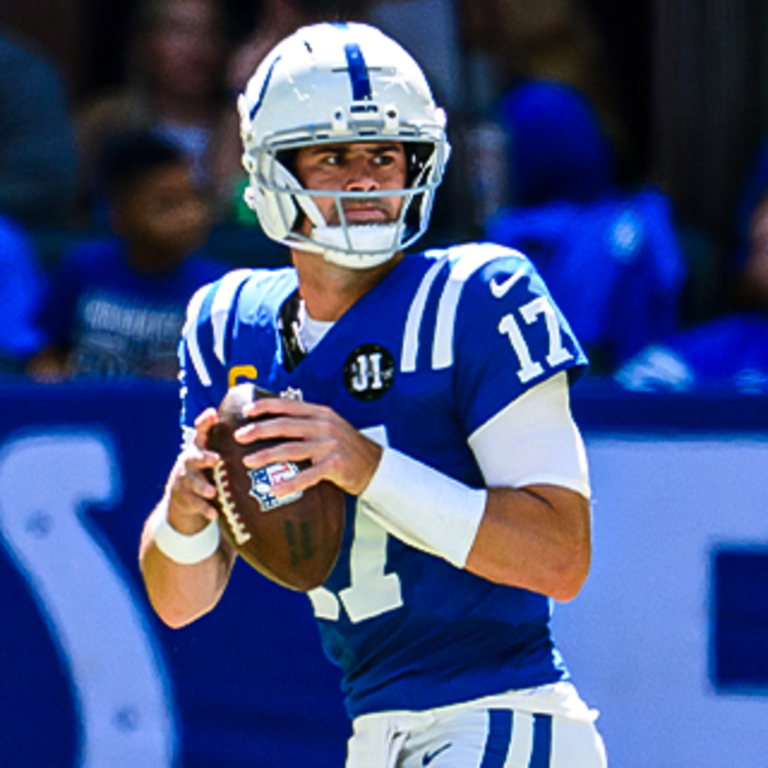
Daniel Jones: ADP QB27
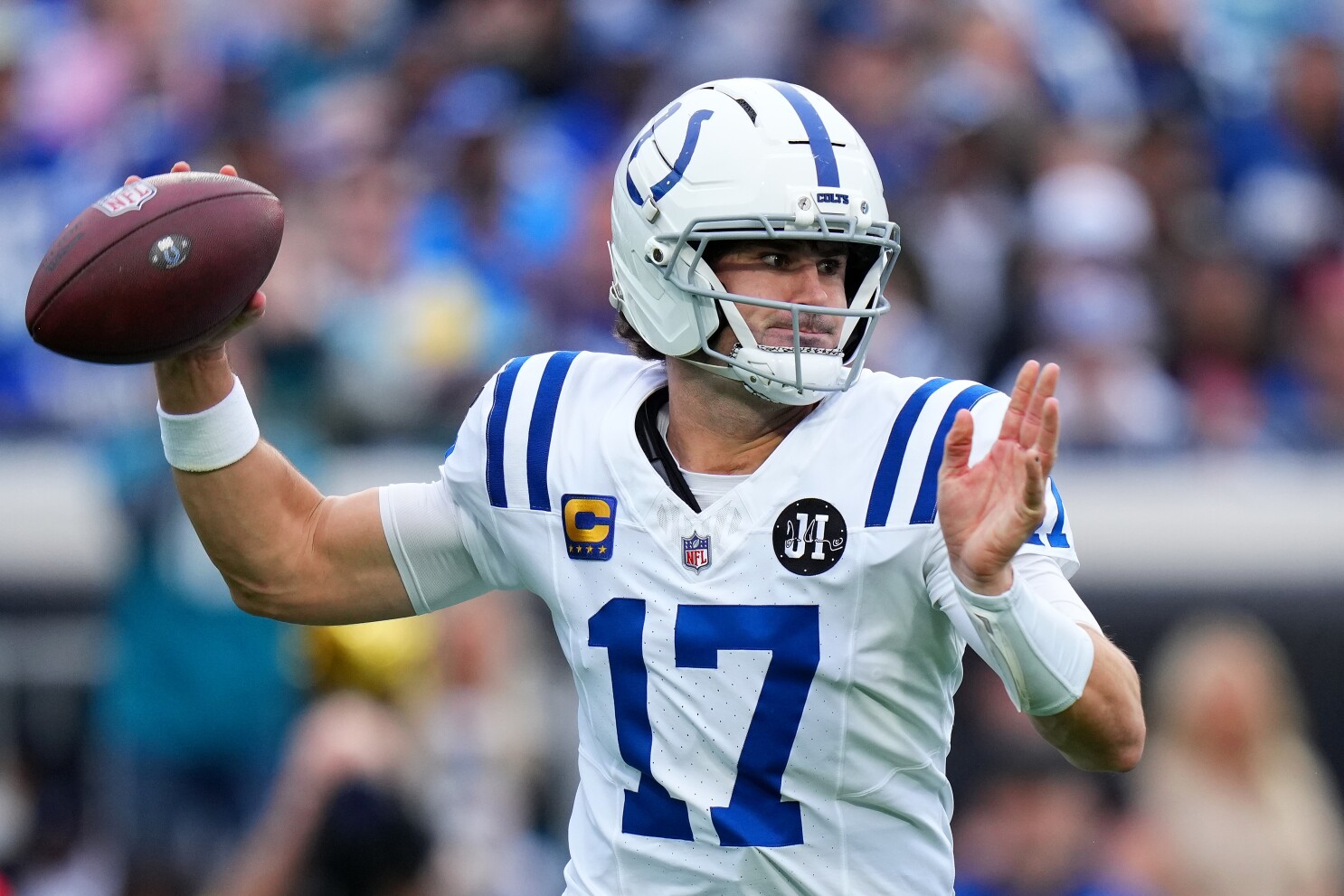
Jones was having the best season of his career before tearing his right Achilles in Week 14. Advances in Achilles repair have given him the ability to start week one in 2026, but returning to the field and returning to his previous level of explosiveness are two different things, plus the added injury risk.
Age
Jones enters the season at 29 years old. His age is still relatively favorable, but his injury history is becoming extensive enough that youth no longer completely offsets the risk.
Injury History
The right Achilles tear is especially important because it occurred on his push-off side. Jones underwent a minimally invasive speed-bridge repair, which can allow earlier loading and potentially reduce tendon elongation compared with traditional techniques. He also has a previous ACL tear and several soft-tissue injuries, adding to his overall lower-body risk.
Playing Style
Jones’ rushing ability has always been a major part of his fantasy value. The biggest question is not simply whether the Achilles allows him to play, but whether he regains enough strength, elastic energy, and explosiveness to scramble, escape pressure, and drive through his right leg effectively. More rushing attempts also leads to more hit exposure.
Beneficiary if time missed
Anthony Richardson currently sits behind Jones in Indianapolis. If Jones suffers a setback or is not ready for a full workload, Richardson would immediately become an intriguing fantasy option because of his rushing upside. Riley Leonard would also have something to say about the starting role in Jones' absence.
Bottom line: The newer Achilles repair gives Jones a realistic chance to return earlier than we historically expect, but his fantasy ceiling depends heavily on how much explosiveness he regains. The Achilles, prior ACL tear, and growing injury history make him a high-risk option entering 2026.
Tua Tagovailoa: ADP QB34
Tua carries one of the more concerning injury profiles at the position. His history includes at least four documented concussions, multiple significant ankle injuries, and a major hip injury, creating both neurological and orthopedic risk.
Age
Tua is still only 28 years old, which works in his favor. He has far less age-related risk than several quarterbacks on this list, although his medical history is unusually extensive for a player his age.
Injury History
The concussion history remains the primary concern. Previous concussions can reduce the amount of force required to trigger another episode, and the risk becomes more meaningful as the number of prior injuries increases. He has also undergone tight-rope procedures on both ankles and previously suffered a severe hip fracture-dislocation.
Playing Style
Tua’s quick release works strongly in his favor because it limits the amount of time he spends exposed to pass rushers. He is not a high-volume runner either, helping reduce unnecessary contact. Those factors lower his exposure but cannot erase the underlying risk created by his injury history.
Beneficiary if time missed
Michael Penix Jr. would be the obvious beneficiary. Atlanta still views Tua and Penix as competitors for the starting job once Penix is fully cleared, meaning either could quickly become relevant if the other misses time.
Bottom line: Tua’s age and quick release are positives, but his extensive concussion history and accumulation of major lower-body injuries give him one of the riskier profiles at quarterback. Another significant concussion would be particularly concerning for both short- and long-term availability.
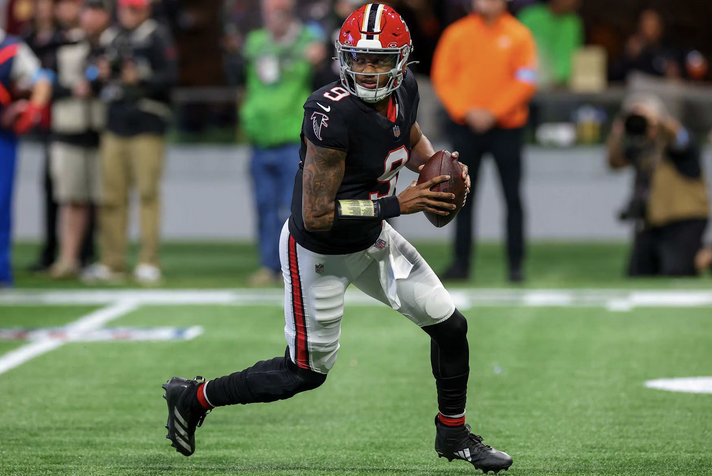
Michael Penix Jr.: ADP QB33
Penix is only 26 years old, but his medical history already rivals quarterbacks who have played significantly longer. Three ACL repairs and two major shoulder surgeries create an unusually high number of significant risk factors for a player this early in his career.
Age
Penix’s age is one of the strongest things working in his favor. At 26, he should still possess excellent healing potential and has repeatedly demonstrated an ability to return from major injuries.
Injury History
Penix has undergone three ACL repairs — two on the left knee and one on the right — along with two major shoulder surgeries. Multiple ACL reconstructions increase the risk for another ACL injury and can also contribute to secondary hamstring, quadriceps, or calf issues. The fact that both knees have required reconstruction makes this more concerning than an isolated injury to one side.
Playing Style
Penix is more of a traditional drop-back passer, and his 2.6 seconds to throw from last season will help to protect him. He does not expose himself much to hits on the run, and overall his playing style is not a knock on his injury risk.
Beneficiary if time missed
Tua Tagovailoa would have the clearest path to the starting job if Penix is not ready or experiences another setback. Tua has already returned to 11-on-11 work after dealing with his own back flare-up early in camp.
Bottom line: Penix has enough talent to play well once healthy, but three ACL repairs, two major shoulder surgeries, and a delayed return to full football activity give him one of the most concerning injury profiles among fantasy quarterbacks.
These six quarterbacks all enter 2026 with different concerns, but the common theme is that their injury profiles carry more risk than the average player at the position. For some, that comes from age and accumulated wear. For others, it is repeated concussions, multiple major surgeries, or the uncertainty that comes with returning from an Achilles or ACL repair.
That does not mean every quarterback on this list should be avoided. Injury risk is only one part of a fantasy decision, and several of these players still offer plenty of upside at the right price. The value comes from understanding where the risk is coming from and using that information when comparing players in the same tier.
The 2026 Fantasy Injury Team Draft Injury Guide goes much deeper, with 150+ fantasy-relevant players broken down by complete injury history, injury risk rating, risk factors for future injury, and what each injury could mean for performance and availability this season.
Know the risk before you’re on the clock.