
Tom Christ, PT, DPT, OCS • August 12, 2026
2026 Fantasy Football: 6 Running Backs With the Highest Injury Risk
Which running backs carry the most injury risk entering the 2026 fantasy football season? This breakdown examines Christian McCaffrey, Jonathan Taylor, Josh Jacobs, Cam Skattebo, Quinshon Judkins, and D’Andre Swift, analyzing how age, workload, previous injuries, and recurring injury patterns could affect their fantasy outlook. It also identifies the backup running backs who could benefit most if any of these players miss time.
It happens every year. Your team starts hot, and boom, you lose your best running back for four weeks. Your lineup survives until he finally returns. He struggles in his first game back, looks more like himself in game two, and then aggravates the injury one week later. Now he is out for another three weeks.
Frustrating, right? We have all been there.
Injuries are part of football, and any player can get hurt on any play. That makes evaluating injury risk difficult. However, what if I told you there are research-based risk factors fantasy managers can assess before drafting? Is it a perfect science? No, but neither is predicting target shares, workloads, or touchdown opportunities. The goal is not to predict exactly who will get injured. It is to identify which players carry more risk factors than others.
Below, I break down the injury profiles of 6 prominent running backs and explain how their age, prior injuries, recurring injury patterns, and career workload may influence their risk entering 2026. I also identify the backup who stands to benefit most if each running back misses time. The 2026 Fantasy Football Draft Injury Guide is your go-to resource for injury risk ratings for all of the major running backs.


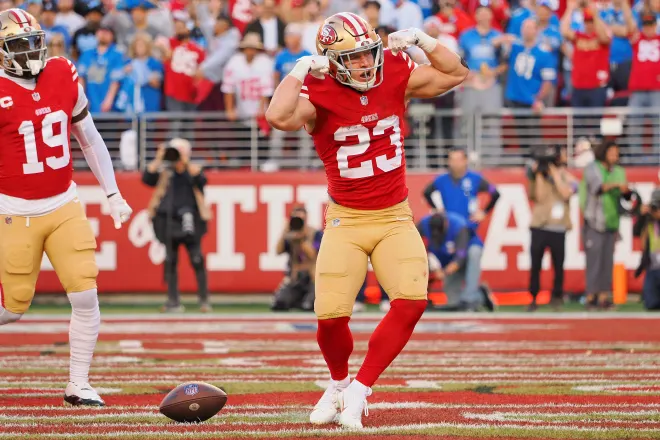
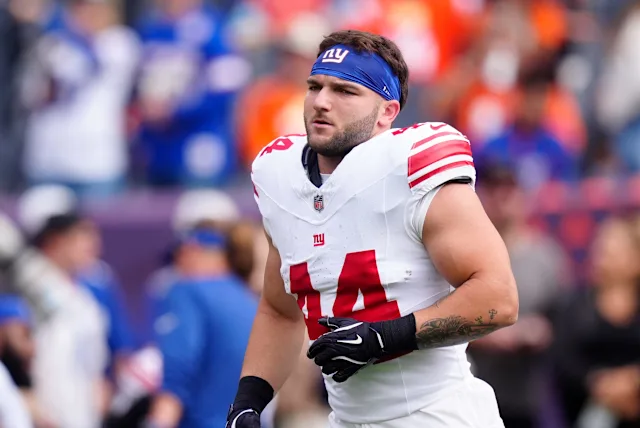
Christian McCaffrey: ADP RB3
McCaffrey defied expectations last season, playing all 17 games while once again handling a workhorse role. That healthy campaign was extremely encouraging, but it does not erase the risk created by his age, injury history, and career workload.
Age
McCaffrey enters 2026 at 30 years old. Recovery becomes slower as athletes age, while the risk of soft-tissue injury generally increases. Age alone does not guarantee injury, but it becomes much more meaningful when combined with his extensive lower-body history and continued workload.
Injury History
McCaffrey has sustained multiple ankle sprains and soft-tissue injuries involving the hamstring, calf, Achilles region, and gluteal musculature. Repeated ankle injuries can leave behind deficits in mobility, strength, and stability, while soft-tissue injuries are known for their recurrence risk.
His 2024 PCL sprain also adds some concern because these injuries can affect knee stability and control. However, his healthy and productive 2025 season suggests any lingering limitations were minimal.
Workload
McCaffrey has accumulated more than 2,200 career touches and continues to handle one of the largest workloads in football. That volume creates significant accumulated wear while increasing his exposure to injury every week.
Beneficiary if time missed
The replacement situation currently appears likely to involve Jordan James and rookie Kaelon Black. James opened training camp as the RB2 before suffering a fractured rib, allowing Black to take on additional reps. James offers a more well-rounded skill set, while Black is a physical downhill runner who consistently finishes through contact. Unless one clearly separates himself, a McCaffrey absence would likely create a committee rather than a direct one-for-one replacement, with both backs carrying fantasy value.
Bottom line: McCaffrey still offers league-winning upside, but his age, workload, and extensive injury history give him considerably more risk than most first-round options. Christian McCaffrey's entire injury risk profile can be found here.
Jonathan Taylor: ADP RB4
Taylor remains one of the most effective running backs in football, but his injury history and extensive workload create a few meaningful risk factors entering 2026.
Age
Taylor enters the season at 27 years old. Age is not yet a major concern and not a risk factor for injury. His injury history and career workload are the bigger issues.
Injury History
The most notable concern is Taylor’s history of four high ankle sprains involving the same ankle. Repeated injuries can leave behind subtle losses in mobility, stability, and strength, potentially increasing the risk of another ankle injury or creating compensations elsewhere in the lower body.
His continued elite production and healthy 2025 campaign are reassuring, but they do not completely erase the risk created by multiple injuries to the same joint.
Workload
Taylor has accumulated more than 1,700 touches in the NFL. Heavy workloads do not guarantee injury, but they create accumulated wear and reduce the margin for error at a position that already carries significant physical demands.
Beneficiary if time missed
DJ Giddens is currently listed as Taylor’s primary backup, with Seth McGowan also competing for work. Giddens has the size and receiving ability to lead the backfield, but a Taylor absence could still produce a committee rather than a direct replacement.
Bottom line: Taylor’s repeated ankle injuries and extensive workload give him more risk than some elite running backs, but his healthy 2025 season and continued production still make him well worth an early-round investment, but there is added risk for injury compared to some of his peers. Jonathan Taylor's entire injury risk profile can be found here.

Josh Jacobs: ADP RB15
Jacobs remained productive last season, but his frequent appearances on the injury report became frustrating for fantasy managers. His age, extensive workload, and accumulation of lower-body injuries now give him an elevated risk profile entering 2026.
Age
Jacobs enters the season at 28 years old. That is not an extreme risk factor on its own, but age is beginning to work against him at a position where recovery and tissue resilience can decline quickly.
Injury History
Jacobs has avoided major surgeries and severe structural injuries. Instead, the concern comes from the accumulation of ankle sprains, hamstring strains, quad injuries, and other lower-body issues. None are especially alarming individually, and last season’s knee contusion should be fully resolved. Collectively, however, these injuries may leave behind subtle deficits in mobility, strength, and tissue capacity that increase his risk of future aggravations.
Workload
Jacobs has accumulated more than 2,100 career touches, giving him considerably more orthopedic mileage than most running backs in his draft range. Heavy volume does not guarantee injury, but it reduces his margin for error as the smaller injuries continue to add up.
Beneficiary if time missed
MarShawn Lloyd is expected to serve as the primary backup and offers explosive one-cut ability, but his own extensive injury history makes him difficult to trust. Chris Brooks would likely mix in, particularly on passing downs, creating a potential committee.
Bottom line: Jacobs does not have one major injury concern, but his age, heavy workload, and accumulated lower-body injuries collectively elevate his risk above baseline. He remains a strong fantasy option, though recurring minor injuries could occasionally limit his workload or availability. Josh Jacobs entire injury risk profile can be found here.

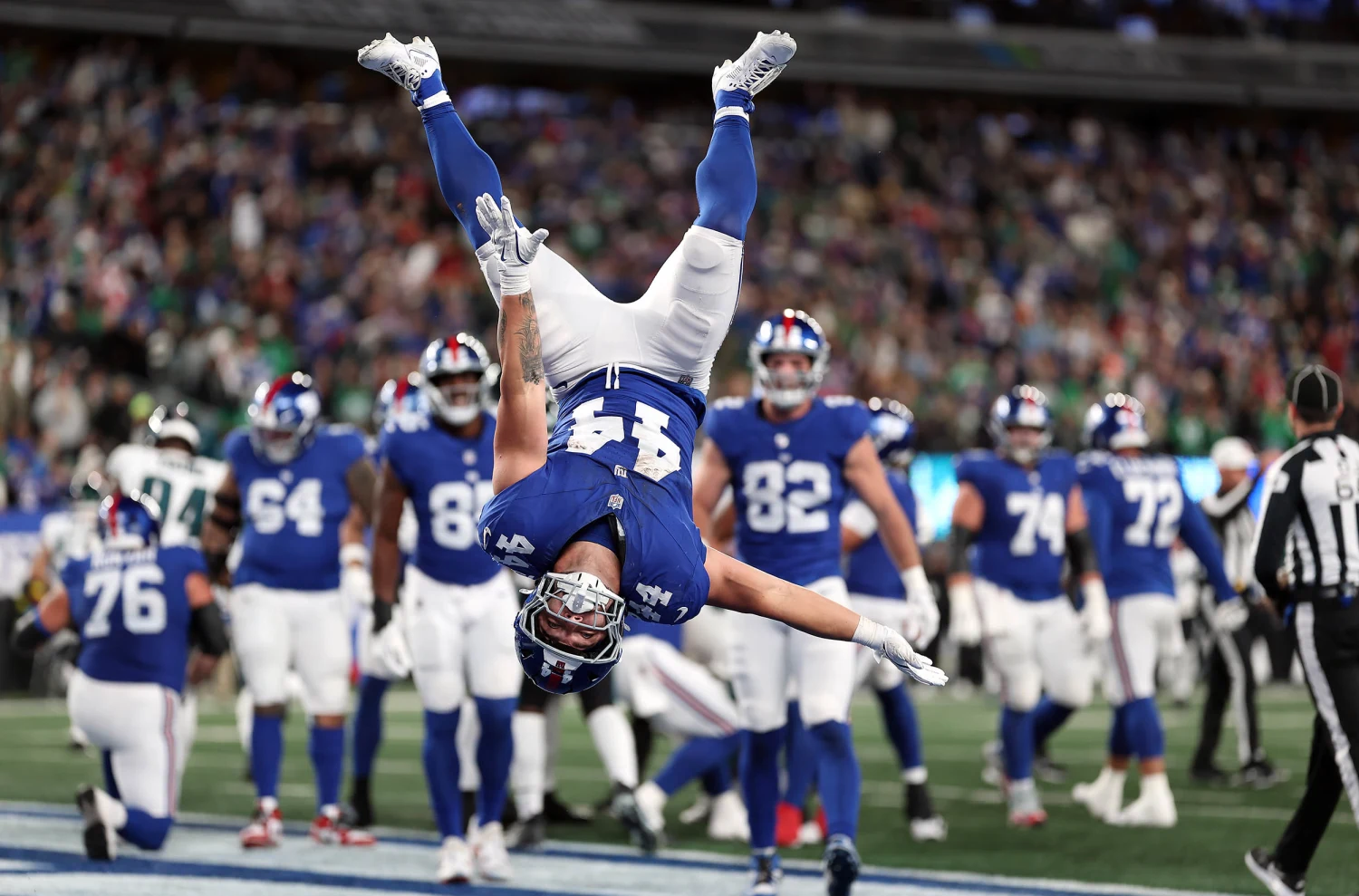
Cam Skattebo: ADP RB20
Skattebo was off to an incredible start to his NFL career before a horrific Week 8 ankle fracture-dislocation brought his rookie season to an abrupt end. His youth and limited workload work in his favor, but the severity of the injury creates legitimate risk entering 2026.
Age
Skattebo enters the season at just 24 years old. That gives him the biological advantage of faster healing and a better opportunity to restore ankle mobility, strength, and power than an older running back.
Injury History
Skattebo’s injury included an open fibula fracture, full ankle dislocation, and damage to the syndesmotic and deltoid ligaments, an EXTREMELY significant injury. The bone should heal reliably following surgical fixation, but the ligament damage may leave behind stiffness, weakness, or subtle instability that can alter the way his body absorbs forces from the ground. Loss of ankle dorsiflexion is especially concerning because it can affect force absorption, cutting, deceleration, and change of direction and is an independent risk factor for injury. It is mind-boggling to me that the fantasy community is not viewing this injury as a major potential threat going forward, and I feel his ADP is outrageous right now. There are very few injuries that exist that lead to more potential mechanical issues than this injury. Even with Skattebo looking ready for Week 1, returning to play does not guarantee that his pre-injury explosiveness and movement have fully returned.
Workload
Skattebo has very little accumulated NFL volume, so career workload is not working against him. However, his physical running style exposes him to significant contact, and the Giants may manage his touches early as he rebuilds strength and confidence in the ankle.
Beneficiary if time missed
Tyrone Tracy Jr. would be the primary beneficiary and has already produced consecutive 1,000-yard seasons from scrimmage. His receiving ability gives him three-down upside, although Devin Singletary would likely mix in and prevent a complete workhorse role.
Bottom line: Skattebo’s youth and limited workload provide reasons for optimism, but this was a major injury involving the bone and multiple stabilizing ligaments. He's fully practicing and will be available for Week 1, but lingering stiffness, reduced power, and compensatory injury risk make him a volatile fantasy option entering 2026. Cam Skattebo's entire injury risk profile can be found here.

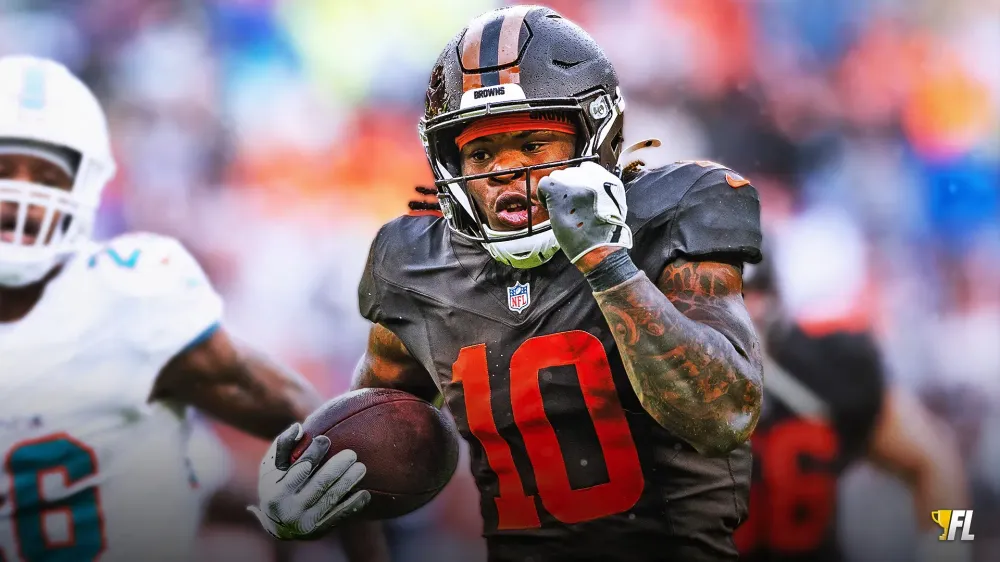
Quinshon Judkins: ADP RB22
Judkinssuffered a brutal fibula fracture with ankle dislocation in Week 16. His youth and limited career workload work strongly in his favor, but the severity of the injury creates meaningful risk entering 2026.
Age
Judkins was only 21 years old at the time of the injury. Younger athletes generally heal more efficiently, regain strength more effectively, and have a better chance of restoring mobility and power following major surgery. I cannot stress enough how much age is working in his favor.
Injury History
The injury involved a fibula fracture and ankle dislocation. While the fibula required surgical fixation, the surrounding ligaments may have been stable enough to heal without direct reconstruction, which is a more favorable outcome than Cam Skattebo's situation. Still, ankle fracture-dislocations can leave behind losses in dorsiflexion, plantarflexion, stability, calf strength, and power. Those deficits could affect Judkins’ ability to absorb force, accelerate, cut, and generate explosiveness while also increasing stress elsewhere in the lower body.
Judkins is clearly on track to play in week one, which is extremely encouraging, but returning to football activity does not guarantee that all of his pre-injury movement and power have returned. This ankle injury will be a risk factor for future injuries.
Workload
Judkins has only one NFL season of accumulated volume, so career workload is not a concern. His limited wear and young age should give him the best possible opportunity to tolerate a featured role once the ankle is fully ready.
Beneficiary if time missed
Dylan Sampson would be the primary beneficiary and offers explosiveness along with legitimate receiving ability. Raheim Sanders could also handle some early-down work, but Sampson would carry the most fantasy upside in an expanded role.
Bottom line: Judkins’ youth and limited workload provide legitimate reasons for optimism, but an ankle fracture-dislocation can create lasting deficits in mobility, stability, calf strength, and explosiveness. There is real risk, but his recovery progress and pre-injury talent give him a realistic path to returning as a productive fantasy asset. Quinshon Judkins' entire injury risk profile can be found here.
D'Andre Swift: ADP RB23
Swifthas been one of fantasy football’s most reliable running backs over the past six seasons, consistently producing as an RB2. His injury risk comes less from one major injury and more from a recurring pattern of groin and ankle issues.
Age
Swift enters 2026 at 27 years old. Age is beginning to move beyond the ideal range for a running back, but it is not yet a major concern, especially considering his consistent availability.
Injury History
The biggest concern is his history of seven documented groin injuries, all involving the left side. Prior groin injury is a strong risk factor for recurrence, and repeated strains suggest an ongoing vulnerability involving tissue strength and load tolerance. Swift has also sustained several ankle injuries. Repeated sprains can affect mobility, stability, and proprioception, with research in elite football players reporting recurrence rates around 17%. Despite these patterns, Swift has avoided major structural injuries and has appeared in at least 13 games every season. This is less so risk factors for a major injury, but it's becoming increasingly common for him to miss games here and there due to the groin or ankle.
Workload
Swift has accumulated roughly 1,340 NFL touches. That is a meaningful workload, but it is not excessive compared to many veteran running backs. Chicago’s willingness to involve Kyle Monangai should also help prevent Swift from handling an overwhelming number of touches.
Beneficiary if time missed
Kyle Monangai would become the primary beneficiary. The compact, physical runner produced 783 rushing yards as a rookie and would immediately offer fantasy starter potential with an expanded role.
Bottom line: Swift’s repeated left groin strains and ankle injuries give him more risk than his availability suggests. However, he has consistently avoided major injuries and produced as a dependable RB2. Draft him with confidence, but make sure you have adequate depth. D'Andre Swift's entire injury risk profile can be found here.
Final Thoughts
None of these six running backs is guaranteed to get injured, and this is not a “do not draft” list. McCaffrey, Taylor, Jacobs, Skattebo, Judkins, and Swift all possess enough talent and opportunity to provide significant fantasy value in 2026. The goal is simply to recognize that each carries more injury-related risk than the average player because of age, workload, prior injuries, or recurring injury patterns. Fantasy managers should weigh that risk against ADP, build adequate depth behind them, and identify the backup most likely to benefit before an injury happens, not after waivers have already run.